
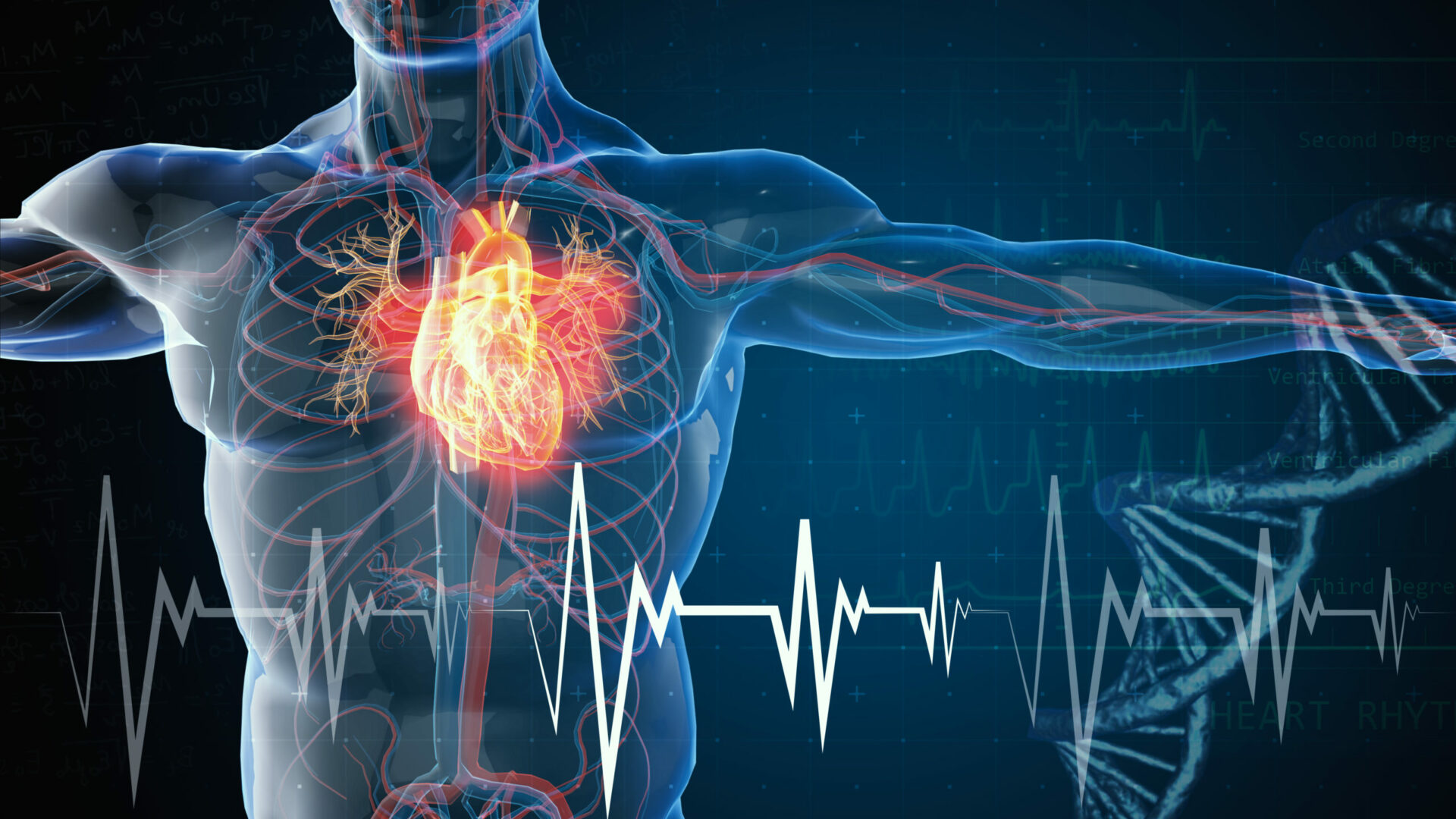
To begin: metabolism
- Metabolism is a series of processes that enables the body to carry out the natural and essential functions required to stay alive. Heartbeat, breathing, digestion and brain function are all processes orchestrated by metabolism.
- To function, metabolism needs fuel to remain constantly active. Metabolism is fuelled in particular by the fats and carbohydrates in our diet.
- Metabolism changes throughout our lives depending on our age and sex, but also according to external factors such as our diet, environment and physical activity, for example.

When metabolism becomes dysregulated
The onset of metabolic syndrome
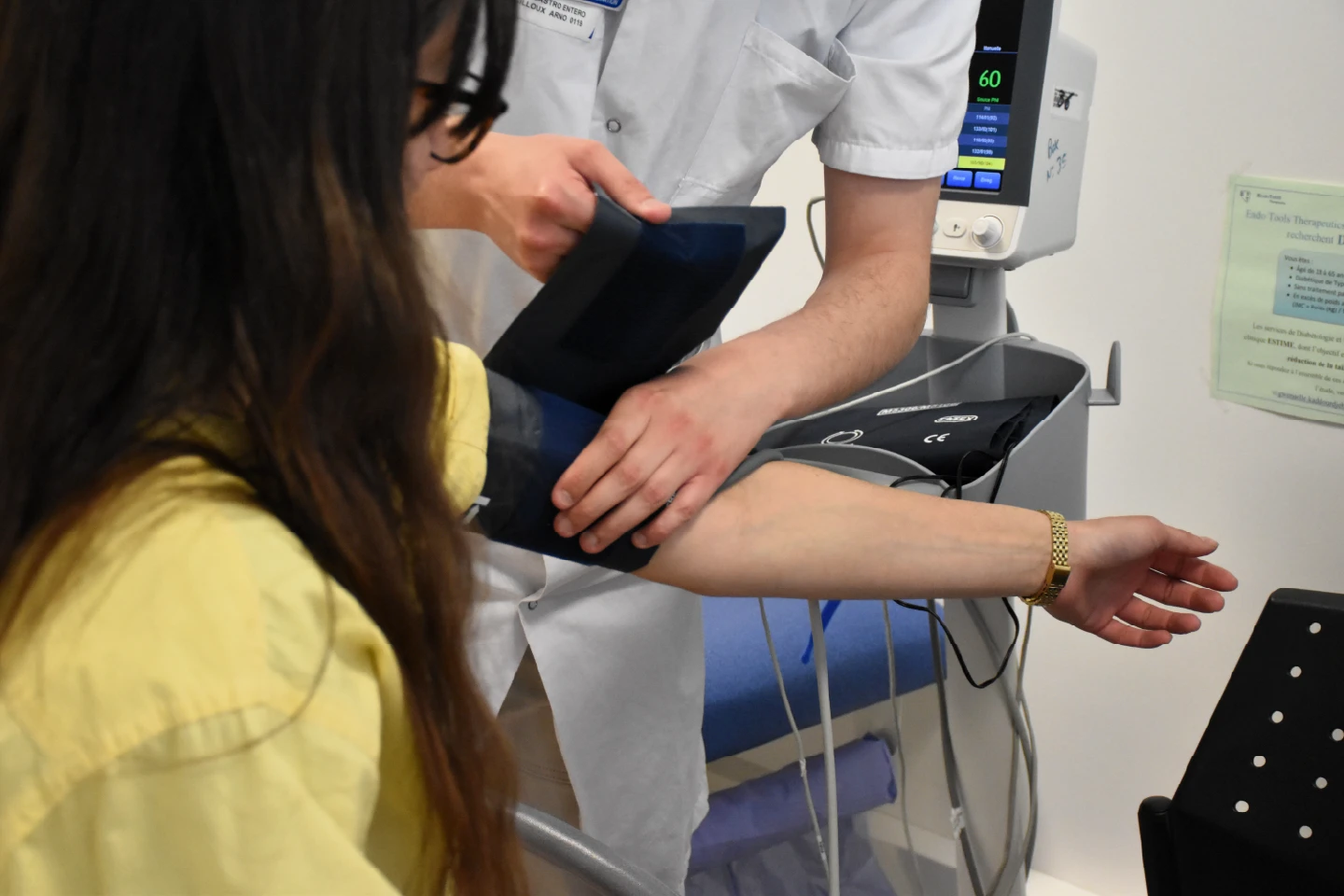
When metabolism becomes dysregulated, several metabolic disorders may develop, persist over time and interact with one another:
- Excessive weight gain,
- Hyperglycaemia, i.e. excess blood sugar,
- Dyslipidaemia, i.e. a lipid disorder that very frequently results in excess cholesterol,
- Blood pressure dysregulation.
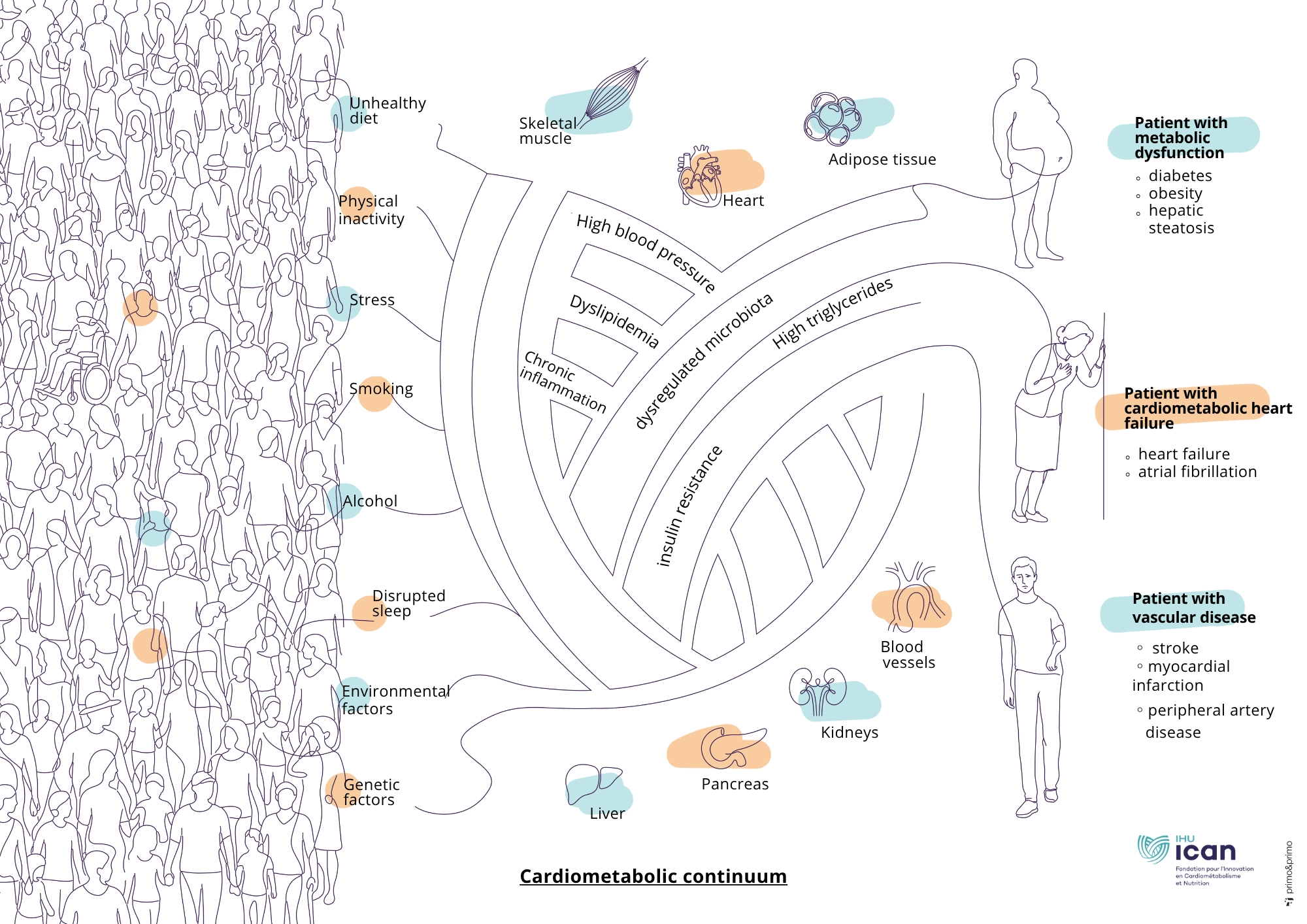
This is known as metabolic syndrome, which can then lead to cardiometabolic diseases.
Indeed, metabolism works in conjunction with the heart and influences how it functions. When several metabolic disorders develop and coexist, the risk of developing cardiovascular disease increases. Organs communicate with one another, and metabolic deterioration creates a chain reaction.
Cardiometabolic diseases: a public health emergency
As a consequence of metabolic dysregulation, cardiometabolic diseases are very common but are often diagnosed too late, because they develop silently within the body. They may therefore only be detected when the disease manifests as an acute episode, during hospitalisation or following a death.
Cardiometabolic diseases are lifelong diseases. They are chronic diseases, meaning long-term conditions that patients must learn to manage in order to prevent acute episodes that can lead to hospitalisation and worsening of the disease.

Cardiometabolic diseases:
- Obesity,
- Diabetes,
- Cardiovascular diseases: high blood pressure, thrombosis, cardiomyopathy, stroke, heart failure,
- Liver diseases including MASH, metabolic dysfunction-associated steatotic liver disease (formerly known as NASH or fatty liver disease),
- Gynaecological disorders.
In France:
73% of cardiovascular events
are associated with modifiable metabolic risk factors1
140,000 deaths
are linked to cardiovascular and cerebrovascular diseases each year2
4.3 million
people are living with diabetes3
8.5 million
people are affected by obesity3
17 million
adults have high blood pressure2 and 1 in 3 people with hypertension is unaware that they have the condition
Nearly 50%
of chronic kidney disease cases are caused by diabetes or high blood pressure6
Management of cardiometabolic diseases
It is therefore absolutely essential to adopt a comprehensive approach to the management of cardiometabolic diseases. Medical disciplines must communicate with one another, just as organs do, in order to halt or stabilise these diseases.
This is the mission of IHU ICAN.
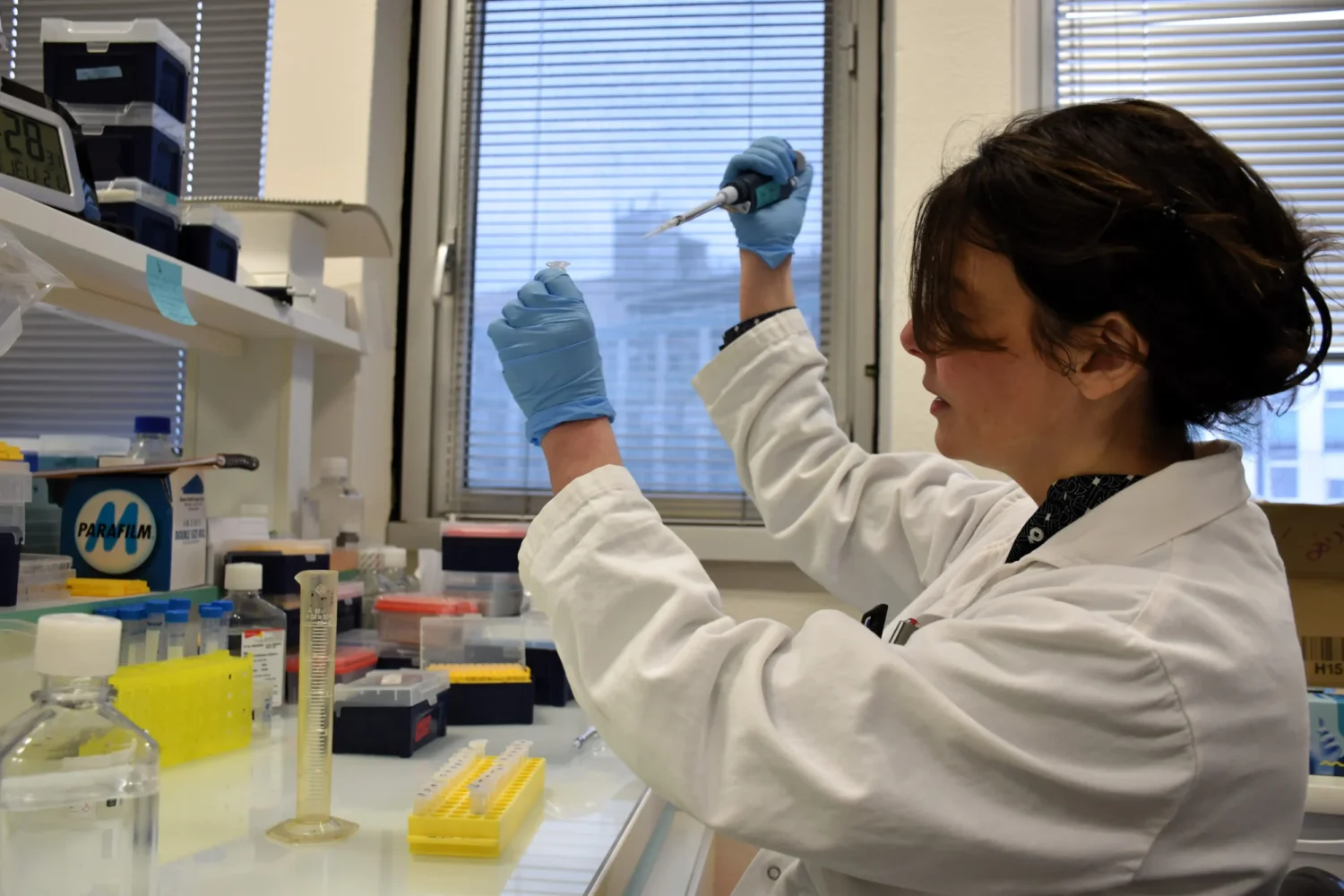
In collaboration with the doctors and researchers in its community, IHU ICAN is developing innovative care pathways for patients with cardiometabolic diseases and conducting cutting-edge research to better understand the mechanisms underlying the development and progression of these diseases.
IHU ICAN teams are committed to accelerating translational research in order to rapidly translate research advances into benefits for patients.