
Today, they affect millions of French people. Cardiometabolic diseases—which include, in particular, diabetes, obesity, cardiovascular disease, kidney disease, and liver disease (metabolic steatosis), remain largely underdiagnosed and are managed in a fragmented manner, even though they share a common pathophysiological continuum.
What is the current state of research on cardiometabolic diseases?

From basic biology to international clinical trials, the research published by the IHU ICAN community exemplifies the excellence and diversity of research spanning the entire cardiometabolic continuum.
To mark the release of its 2025 annual report, the IHU ICAN highlights 10 major publications from its scientific community that demonstrate the IHU’s ability to generate new knowledge, advance precision medicine, and transform patient care.
Understanding the Mechanisms of Cardiometabolic Diseases
Regulation of HDL dysfunction by phosphatidylethanolamine links polyunsaturated fatty acids to atherosclerotic cardiovascular diseases
Journal: Molecular Metabolism
Date: November 15, 2025
DOI: 0.1016/j.molmet.2025.102281
PMID: 41248752
Authors: Taradeh M, Hardy LM, Dahik VD, Lhomme M, Wang H, Reydellet C, Materne C, Kc P, Bun E, Clemessy M, Pais-De-Barros JP, Galier S, Frisdal E, Durand H, Ponnaiah M, El Khoury P, Villard EF, Lesnik P, Gallo A, Kappeler L, Giral P, Bruckert E, Masson D, Guerin M, Kontush A, Guillas I, Le Goff W
This study reveals a new mechanism that explains why some people develop cardiovascular disease despite having normal levels of “good cholesterol” (HDL).
- Researchers have shown that it is not only the quantity of HDL that matters, but also its quality and its ability to protect the arteries. They have identified a specific lipid, phosphatidylethanolamine, as a key factor in the proper functioning of HDL.
- The results also show that polyunsaturated fatty acids—found in particular in certain vegetable oils, nuts, and fatty fish—influence the composition of this molecule and, consequently, the protective efficacy of HDL. When this composition is altered, HDL loses some of its ability to remove cholesterol from the arteries and limit inflammation.
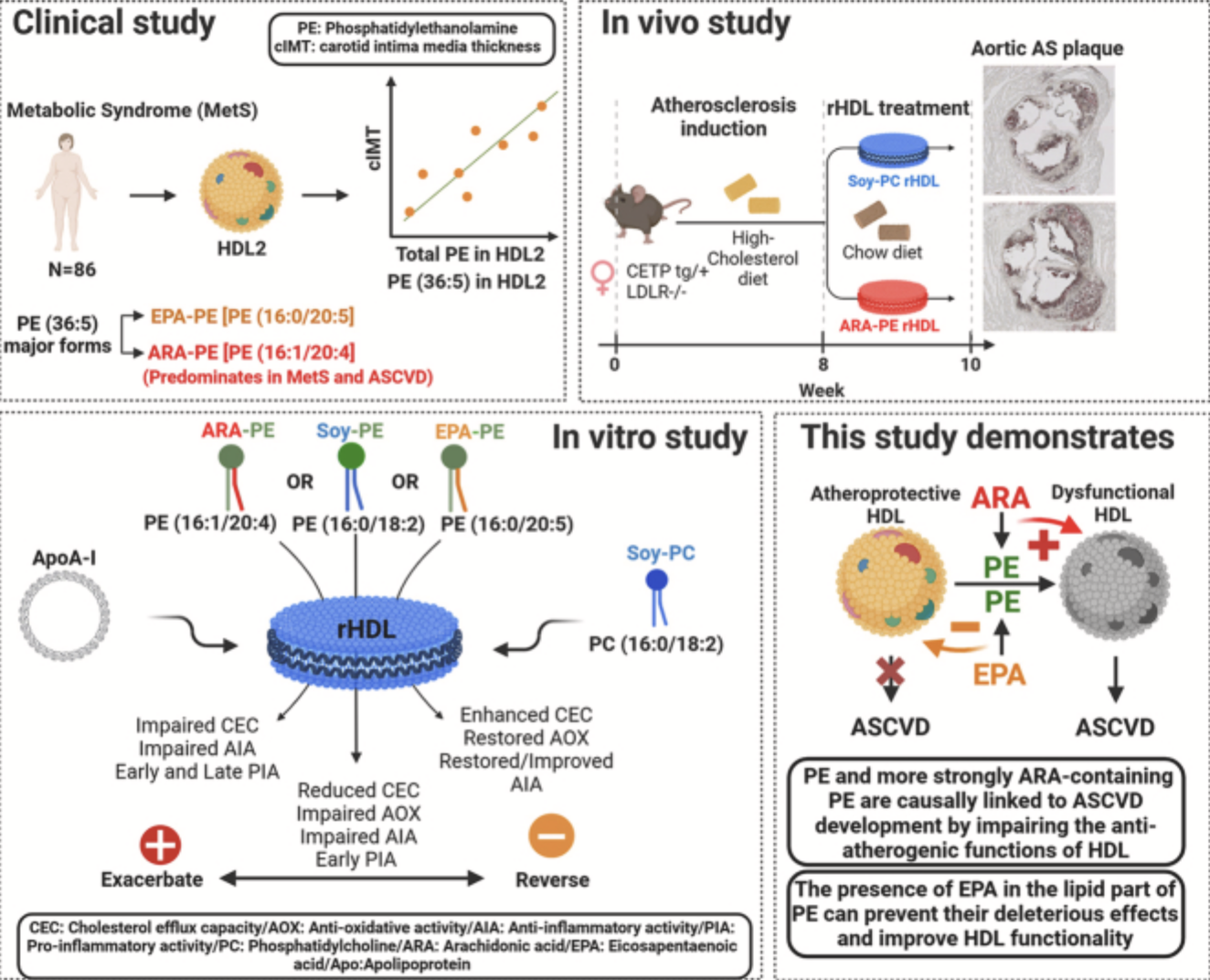
Graphical Abstract
Graphical abstract, Taradeh, M., Hardy, L. M., Dahik, V. D., Lhomme, M., Wang, H., Reydellet, C., Materne, C., Kc, P., Bun, E., Clemessy, M., Pais-De-Barros, J. P., Galier, S., Frisdal, E., Durand, H., Ponnaiah, M., El Khoury, P., Villard, E. F., Lesnik, P., Gallo, A., Kappeler, L., … Le Goff, W. (2026). Regulation of HDL dysfunctionality by phosphatidylethanolamine links polyunsaturated fatty acids with atherosclerotic cardiovascular diseases. Molecular Metabolism, 103, 102281. https://doi.org/10.1016/j.molmet.2025.102281
This discovery improves our understanding of the biological mechanisms involved in atherosclerosis, the leading cause of heart attacks and strokes. It paves the way for the development of new biomarkers capable of assessing the quality of HDL, beyond simply measuring its concentration in the blood.
Ultimately, this research could lead to better identification of individuals at risk for cardiovascular disease and to the development of new prevention and treatment strategies that target the protective function of HDL.
“MAIT Cells Promote Cholesterol Excretion Pathways, Thereby Mitigating Atherosclerosis.”
Journal: Circulation Research
Date: March 26, 2025
PMID: 40135347
Authors: Wang H, Kc P, Zhang K, Materne C, Lhomme M, Galier S, Ichou F, Neves C, Lehuen A, Haas JT, Salem JE, Guerin M, Lesnik P.
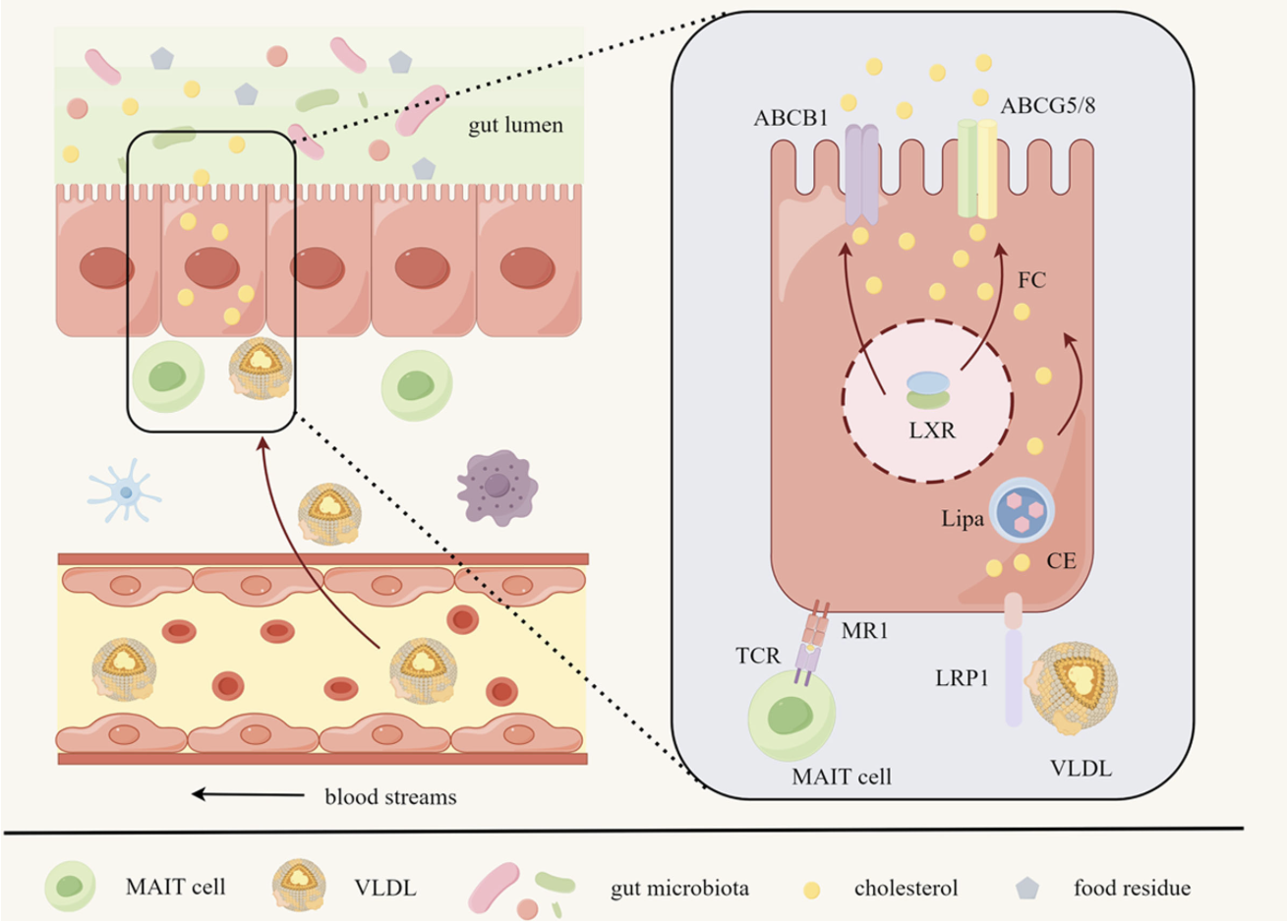
Graphical Abstract
Graphical Abstract, Wang, H., Kc, P., Zhang, K., Materne, C., Lhomme, M., Galier, S., Ichou, F., Neves, C., Lehuen, A., Haas, J. T., Salem, J. E., Guerin, M., & Lesnik, P. (2025). MAIT Cells Promote Cholesterol Excretion Pathways, Mitigating Atherosclerosis. Circulation Research, 136(9), 968–981. https://doi.org/10.1161/CIRCRESAHA.124.325841
This study highlights a previously unknown role of certain immune system cells, called MAIT cells, in regulating cholesterol and preventing atherosclerosis, the leading cause of cardiovascular disease.
- Using experimental models and data collected from patients with high cholesterol, the researchers demonstrate that MAIT cells promote the elimination of cholesterol through the intestine.
- In particular, this mechanism helps lower levels of VLDL—the “bad” cholesterol rich in triglycerides—while limiting the formation of plaques in the arteries. Conversely, the absence of MAIT cells leads to an increase in blood cholesterol and exacerbates atherosclerotic lesions.
- In patients, a higher number of MAIT cells is associated with a better lipid profile, with lower levels of VLDL and higher levels of HDL, the “good” cholesterol.
These findings show that the immune system plays a key role in regulating cholesterol metabolism. They open up new therapeutic avenues by suggesting that targeting the gut immune system could lower cholesterol and prevent cardiovascular disease. This innovative approach could, in the long term, complement currently available cholesterol-lowering treatments.
RIPK1 inhibition reduces biliary injury and fibrosis in primary sclerosing cholangitis.
Journal: Science Advances
Date: December 17, 2025
PMID: 41406236
Authors: Soret PA, Steunou V, Hedou J, Tokgozoglu J, Pistorio V, Majdi A, Darwane N, Delaunay JL, Benyahia S, Dinard L, Ledent T, Metatla I, Guerrera C, Lhomme M, Ponnaiah M, Galon J, Soussan P, Serfaty L, Corpechot C, Housset C, Aït-Slimane T, Verdonk F, Chazouillères O, Wendum D, Ratziu V, Lemoinne S, Cadoret A, Chignard N, Gautheron J.
This study offers new hope for the treatment of primary sclerosing cholangitis (PSC), a rare liver disease for which there is currently no cure.
- The researchers focused on necroptosis, a form of cell death that promotes inflammation and fibrosis in the liver.
- Their research shows that this mechanism primarily affects cells in the bile ducts, which are at the heart of the disease.
- By blocking a key protein called RIPK1, they were able to protect these cells and limit their destruction.
- In an experimental model, this inhibition reduced liver damage, inflammation, and fibrosis.
- Molecular analyses also show that this treatment restores cell function to a state close to normal.
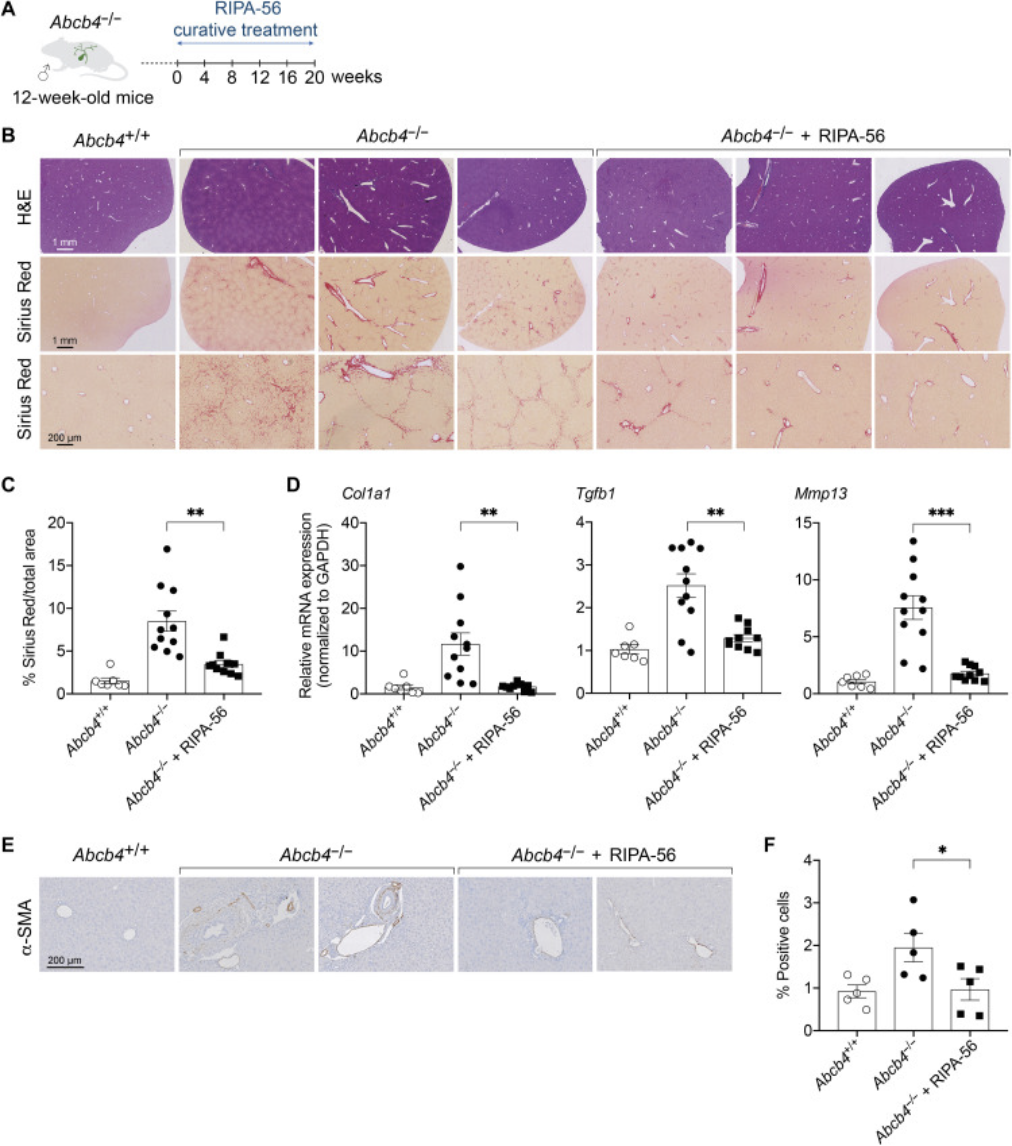
Fig. 3
Fig. 3. Pharmacological RIPK1 inhibition attenuates established biliary fibrosis in Abcb4-deficient mice, Soret, P. A., Steunou, V., Hedou, J., Tokgozoglu, J., Pistorio, V., Majdi, A., Darwane, N., Delaunay, J. L., Benyahia, S., Dinard, L., Ledent, T., Metatla, I., Guerrera, C., Lhomme, M., Ponnaiah, M., Galon, J., Soussan, P., Serfaty, L., Corpechot, C., Housset, C., … Gautheron, J. (2025). RIPK1 inhibition reduces biliary injury and fibrosis in primary sclerosing cholangitis. Science Advances, 11(51), eadz7907. https://doi.org/10.1126/sciadv.adz7907
These findings identify necroptosis as a major factor in disease progression. They pave the way for the development of a new generation of targeted therapies capable of slowing the progression of CSP and improving the care of patients with this rare disease.
Better Predicting and Characterizing Cardiovascular Diseases
Prognostic Value of CT-Derived Epicardial Adipose Tissue Volume Compared with Coronary Artery Calcium in Systemic Lupus Erythematosus.
Journal: European Journal of Preventive Cardiology
Date: August 29, 2025
PMID: 40880220
Authors: Azoulay LD, Kachenoura N, Boussouar S, Charpentier E, Pasi N, Nguyen LA, Broussaud T, Giron A, Parker L, Leite J, Hatem S, Abdallah NA, Lhote R, Pha M, Hié M, Mathian A, de Chambrun MP, Papo M, Cohen-Aubart F, Haroche J, Amoura Z, Redheuil A.
This study examines cardiovascular risk in people with systemic lupus erythematosus (SLE), an autoimmune disease that primarily affects young women. These patients have an increased risk of developing atherosclerosis, which causes heart attacks and strokes, but current tools still make it difficult to identify those who are at the highest risk.
- Researchers evaluated the value of using a CT scan to measure the amount of fat surrounding the heart, known as epicardial adipose tissue.
- The goal is to identify a threshold that will allow for more accurate prediction of cardiovascular events, as a complement to the coronary calcium score already used in clinical practice.
If this approach proves effective, it could improve the assessment of cardiovascular risk in patients with lupus. It would thus allow for earlier identification of individuals who require enhanced care and appropriate preventive measures.
The RBM20 Gene in Patients With Cardiomyopathy: Phenotypic Expression of Loss-of-Function Versus Hotspot Variants.
Journal: Circulation Heart Failure
Date: January 17, 2025
PMID: 39823286
Authors: Hermida A, Ader F, Millat G, Jedraszak G, Vogel L, Garçon L, Maury P, Fay F, Beyls C, Bréhin AC, Champ-Rigot L, Dauphin C, Dauriat B, De Groote P, Donal E, Dupin-Deguine D, Faivre L, Janin A, Jobbe Duval A, Jondeau G, Laredo M, Magnin I, Marijon E, Nguyen K, Palmyre A, Perani A, Picard F, Reant P, Richard P, Rooryck C, Roubille F, Rouzier C, Toutain A, Vernier A, Winum PF, Scarlatti D, Sacher F, Diouf M, Chevalier P, Charron P, Gandjbakhch E.
This study provides new insights into dilated cardiomyopathies of genetic origin—conditions that weaken the heart muscle and can lead to heart failure or arrhythmias.
- The researchers focused on the RBM20 gene, which is already known to be involved in these diseases, but for which certain mutations had not been studied in depth.
- By analyzing the genetic data from 8,427 patients, they show that so-called “truncating” mutations in this gene are just as common as mutations already recognized as pathogenic.
- Patients with these variants develop a similar form of cardiomyopathy, but it generally develops later and is less severe at the time of diagnosis. In particular, they are more likely to have high blood pressure and abnormalities in the heart’s electrical conduction.
- The results confirm that these mutations disrupt the normal function of the RBM20 gene, which is essential for the proper functioning of heart cells.
This discovery advances our understanding of the genetic mechanisms underlying cardiomyopathies. It will improve the interpretation of genetic tests, family screening, and the follow-up of at-risk patients. Ultimately, this research will contribute to earlier and more personalized care for hereditary cardiomyopathies.
Imaging Features of Desmoplakin-Associated Arrhythmogenic Cardiomyopathy: A Comparative Cardiovascular Magnetic Resonance Study.
Journal: Journal of Cardiovascular Magnetic Resonance
Date: February 26, 2025
PMID: 40021092
Authors: Laredo M, Charpentier E, Soulez S, Nguyen V, Martino A, Calò L, Ader F, Hermida A, Fressart V, Charron P, Kachenoura N, Gandjbakhch E, Redheuil A..
This study improves the diagnosis of a particularly severe form of arrhythmogenic cardiomyopathy associated with mutations in the DSP (desmoplakin) gene, a genetic disorder that causes heart rhythm abnormalities and heart failure.
- The researchers compared cardiac MRI scans of patients with this mutation to those of patients with other forms of arrhythmogenic cardiomyopathy.
- They show that patients with a mutation in the DSP gene are more likely to develop significant left ventricular damage, with more extensive fibrosis and reduced contractile function.
- The study also identifies several characteristic MRI findings, including a specific appearance of heart muscle scarring and predominant involvement of the left ventricle.
- These imaging markers make it easier to distinguish this form of the disease from other inherited cardiomyopathies. Identifying them is essential, as patients with a mutation in the DSP gene are at higher risk for serious complications.
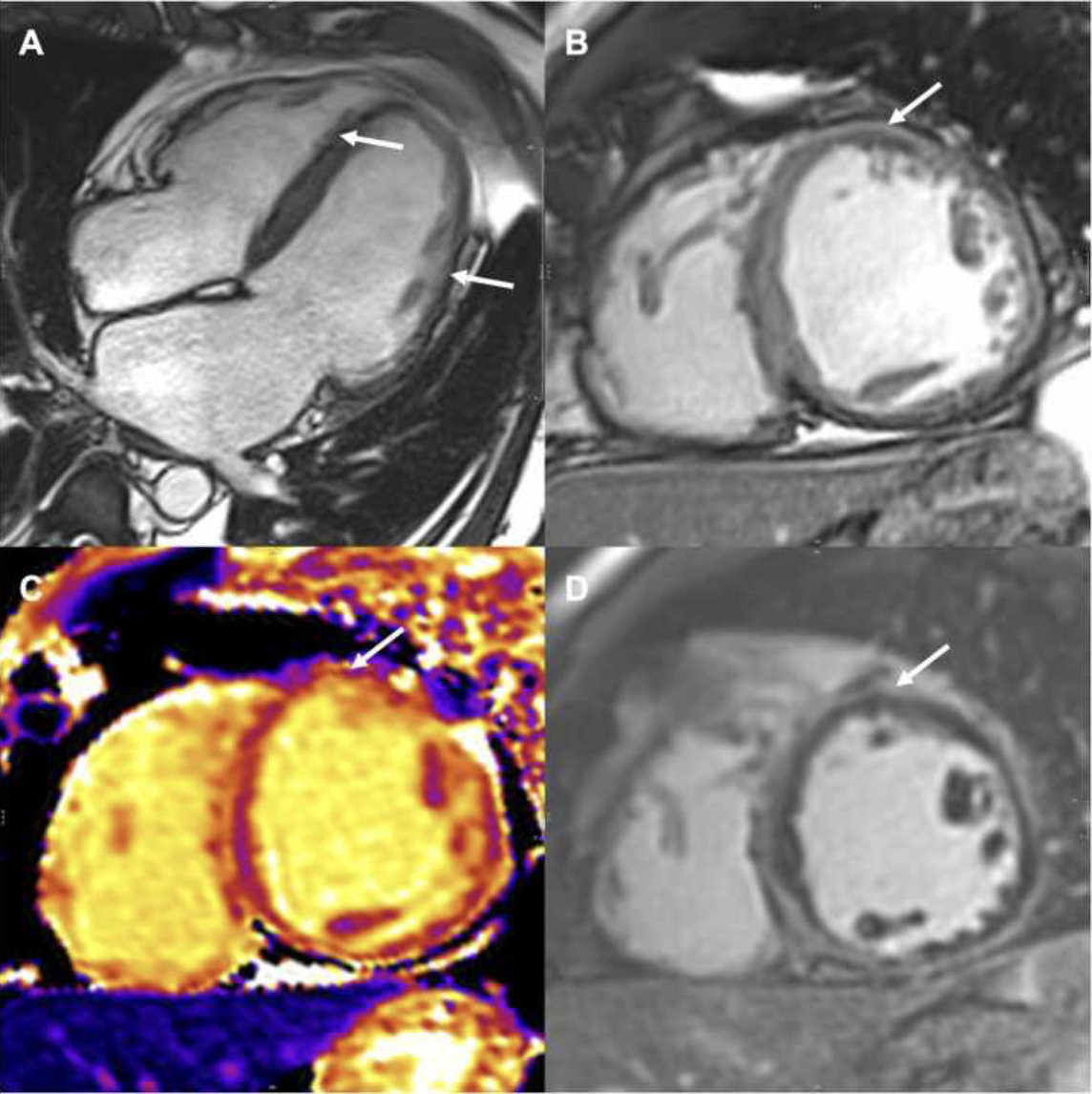
Fig. 2
Fig. 2. Four-chamber (A) and mid-short-axis (B–D) SSFP images in a 79-year-old man with a DSP pathogenic variant and ACM involving the left ventricle., Laredo, M., Charpentier, E., Soulez, S., Nguyen, V., Martino, A., Calò, L., Ader, F., Hermida, A., Fressart, V., Charron, P., Kachenoura, N., Gandjbakhch, E., & Redheuil, A. (2025). Imaging features of desmoplakin arrhythmogenic cardiomyopathy: A comparative cardiovascular magnetic resonance study. Journal of Cardiovascular Magnetic Resonance: Official Journal of the Society for Cardiovascular Magnetic Resonance, 27(1), 101867. https://doi.org/10.1016/j.jocmr.2025.101867
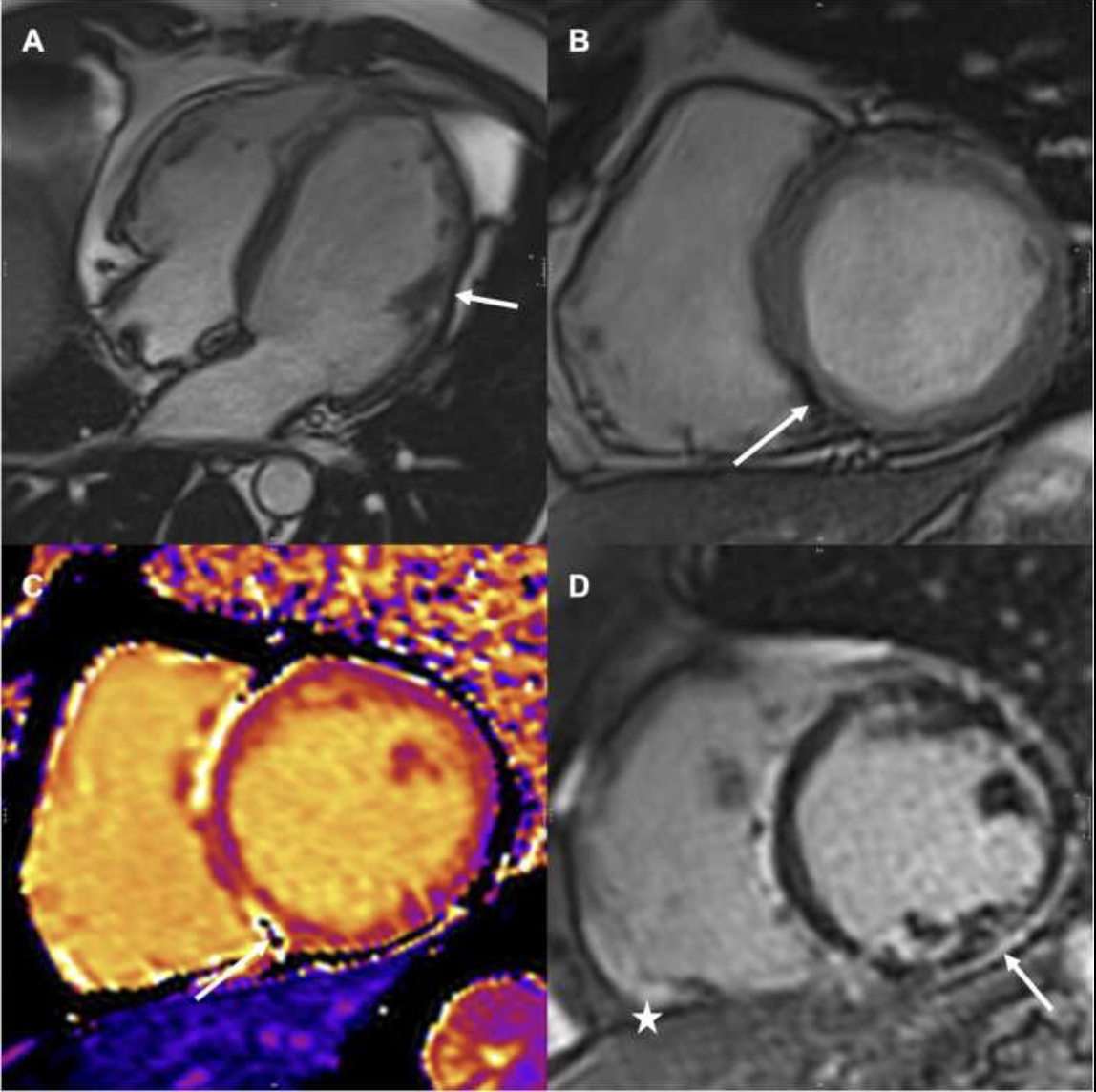
Fig. 3
Fig. 3. Four-chamber (A) and mid-short-axis (B–D) images in a 43-year-old man with a pathogenic DSP variant and ACM with predominant LV involvement., Laredo, M., Charpentier, E., Soulez, S., Nguyen, V., Martino, A., Calò, L., Ader, F., Hermida, A., Fressart, V., Charron, P., Kachenoura, N., Gandjbakhch, E., & Redheuil, A. (2025). Imaging features of desmoplakin arrhythmogenic cardiomyopathy: A comparative cardiovascular magnetic resonance study. Journal of Cardiovascular Magnetic Resonance: Official Journal of the Society for Cardiovascular Magnetic Resonance, 27(1), 101867. https://doi.org/10.1016/j.jocmr.2025.101867
These findings could thus improve early diagnosis, guide genetic testing, and enable closer monitoring of the patients at highest risk.
Transforming Patient Care
Levosimendan to Facilitate Weaning From ECMO in Patients With Severe Cardiogenic Shock: The LEVOECMO Randomized Clinical Trial.
Journal: JAMA
Date: January 6, 2026
PMID: 41324946
Authors: Combes A, Saura O, Nesseler N, Lebbah S, Rozec B, Levy B, Fellahi JL, Beurton A, Meslin S, Gaudard P, Bouglé A, Vincentelli A, Sonneville R, Lebreton G, Lévy D, Ouattara A, Tubach F; LEVOECMO Trial Group and the International ECMO Network.
This study evaluated the efficacy of levosimendan, a drug designed to support cardiac function, in patients with severe cardiogenic shock who were being treated with extracorporeal membrane oxygenation (ECMO), a technique used when the heart can no longer maintain blood circulation.
- More than 200 patients participated in this clinical trial, which was conducted in 11 intensive care units in France.
- The researchers compared levosimendan to a placebo to determine whether it would allow for earlier weaning from circulatory support and improve survival.
- The results show that the treatment did not reduce the time required to wean patients off ECMO, nor did it shorten the length of hospital stay or lower the risk of death. However, patients treated with levosimendan experienced more cases of arrhythmia.
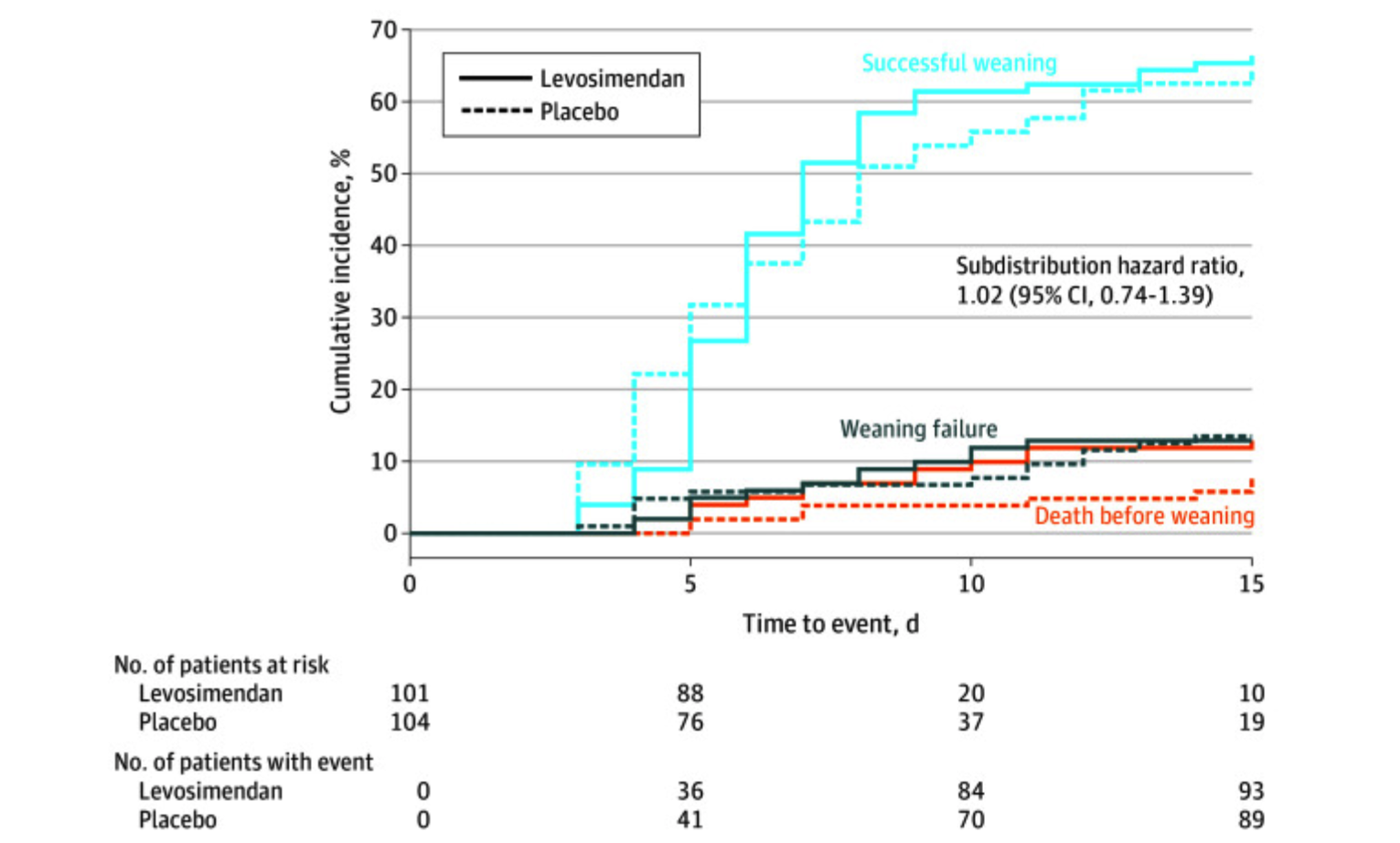
Fig. 2
Fig. 2. Cumulative Incidence of Successful ECMO Weaning, Weaning Failure, and Death Before Weaning by Treatment Group and Competing Events Shown in Survival Curves., Combes, A., Saura, O., Nesseler, N., Lebbah, S., Rozec, B., Levy, B., Fellahi, J. L., Beurton, A., Meslin, S., Gaudard, P., Bouglé, A., Vincentelli, A., Sonneville, R., Lebreton, G., Lévy, D., Ouattara, A., Tubach, F., & LEVOECMO Trial Group and the International ECMO Network (ECMONet) (2026). Levosimendan to Facilitate Weaning From ECMO in Patients With Severe Cardiogenic Shock: The LEVOECMO Randomized Clinical Trial. JAMA, 335(1), 60–69. https://doi.org/10.1001/jama.2025.19843
These findings call into question the routine use of this drug in this critical situation. They underscore the importance of conducting rigorous clinical trials to assess the actual benefits of the most innovative treatments. This study thus provides essential data to guide medical practice and optimize the care of patients with severe cardiogenic shock.
Arrhythmia-induced cardiomyopathy: a focus on atrial fibrillation
Journal: Nature Reviews Cardiology
Date: September 15, 2025
DOI: 10.1038/s41569-025-01195-2
Authors: Fabritz L., Hatem S.N., Sossalla S.
This review provides an overview of arrhythmia-induced cardiomyopathy, a form of heart failure often caused by atrial fibrillation, the most common heart rhythm disorder.
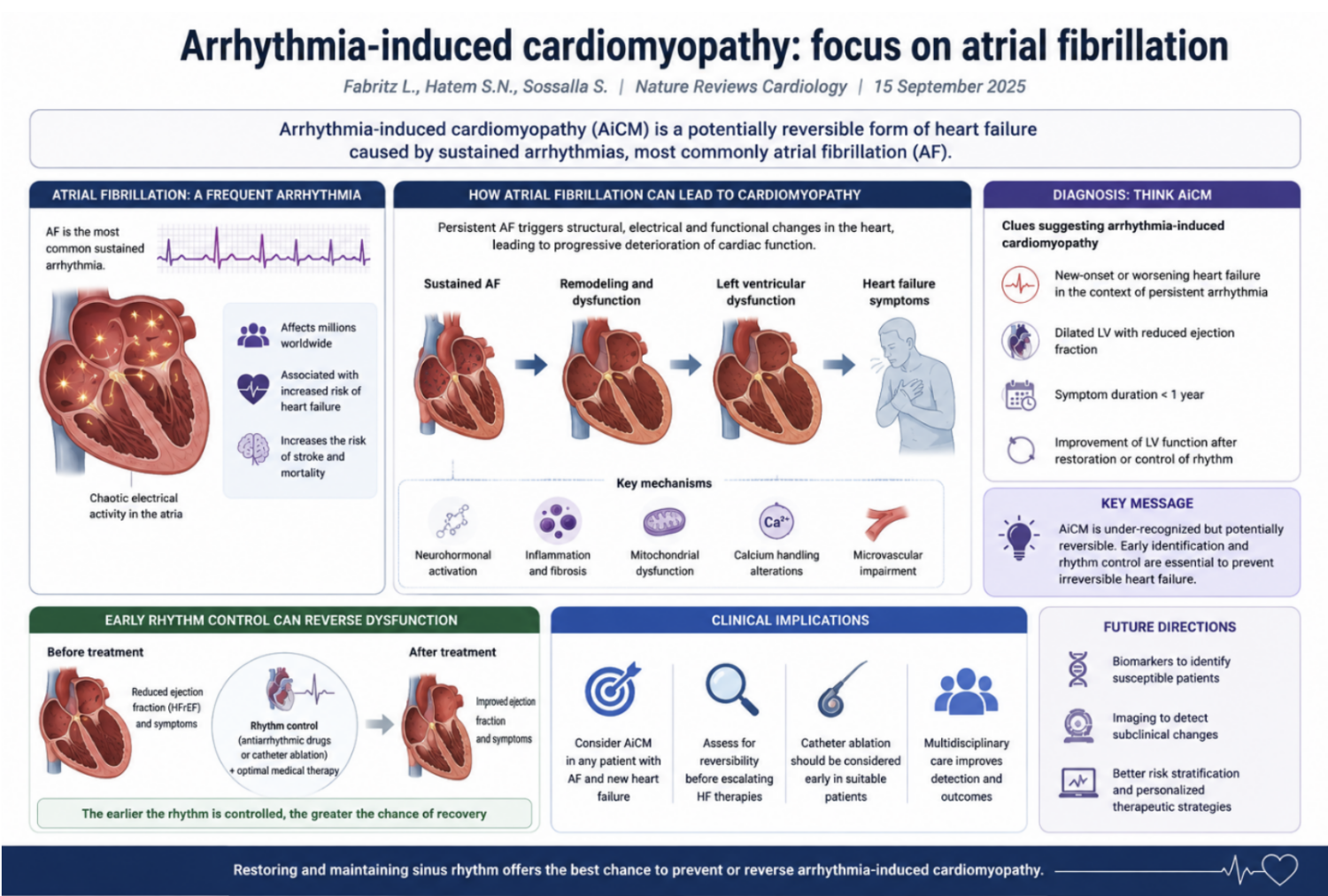
Diagram created using artificial intelligence
The authors show that this condition is still largely underdiagnosed, even though it can be partially—or even completely—reversible if a normal heart rhythm is restored early enough.
- They explain the mechanisms by which a prolonged arrhythmia gradually impairs the functioning of the heart muscle and contributes to heart failure.
- The review also highlights the difficulty of determining whether the arrhythmia is the cause or the consequence of the heart damage—a major challenge in tailoring treatment. The available data support early control of heart rhythm, particularly through ablation when possible, in order to preserve heart function.
- The authors also emphasize the need to develop new biomarkers and diagnostic tools that can quickly identify affected patients.
This review, to which Professor Stéphane Hatem contributed, highlights recent advances in understanding the links between atrial fibrillation and heart failure. It paves the way for earlier and more personalized care to improve patient outcomes.
Advancing the Fight Against Metabolic Liver Diseases
Thrombospondin-2 is a highly effective biomarker for identifying patients at risk for MASH and advanced MASH fibrosis in a large, multicenter European cohort.
Journal: Gut
Date: 2025/2026
PMID: 40738743
Authors: Ratziu V, Surabattula R, Bugianesi E, Schattenberg JM, Myneni S, Rosso C, Armandi A, Pais R, Kara L, Charlotte F, Ponnaiah M, Schuppan D.
This study highlights a major breakthrough in the diagnosis of metabolic steatohepatitis (MASH), the severe form of fatty liver disease associated with metabolic disorders.
- Researchers evaluated a new blood biomarker, thrombospondin-2 (TSP2), in 469 patients from several European centers.
- The results show that a simple blood test to measure this protein can accurately identify patients with MASH who are at risk of disease progression and those with advanced liver fibrosis.
- TSP2 has proven to be more effective than currently used biomarkers and diagnostic scores. When combined with routine clinical data, it further improves the ability to identify patients at the highest risk.
- This approach could reduce the need for liver biopsies, an invasive procedure that is still often necessary to confirm a diagnosis.
- These findings are particularly important given that NAFLD affects approximately 18% of the French population and can silently progress to cirrhosis or liver cancer.
This study, led by Prof. Vlad Ratziu, paves the way for earlier, simpler, and more accurate screening for severe forms of the disease, with the aim of improving patient care.
Phase 3 Trial of Semaglutide in Metabolic Dysfunction-Associated Steatohepatitis
Journal: New England Journal of Medicine
Date: April 30, 2025
PMID: 40305708
Authors: Sanyal AJ, Newsome PN, Kliers I, Østergaard LH, Long MT, Kjær MS, Cali AMG, Bugianesi E, Rinella ME, Roden M, Ratziu V; ESSENCE Study Group.
This international study presents very encouraging results for the treatment of metabolic steatohepatitis (MASH), a liver disease linked to metabolic disorders that can progress to cirrhosis or cancer.
- Researchers evaluated semaglutide, a drug already used to treat type 2 diabetes and obesity, in nearly 1,200 patients with MASH and moderate-to-advanced liver fibrosis.
- After 72 weeks of treatment, nearly 63% of treated patients showed resolution of liver inflammation without worsening fibrosis, compared with 34% of those on placebo. More than one-third of patients also experienced a reduction in fibrosis.
- The treatment was associated with an average weight loss of more than 10 percent, as well as improvements in several markers of liver function and metabolism.
- The adverse effects observed were primarily gastrointestinal and consistent with the drug’s previously known safety profile.
These results represent a major breakthrough in a disease for which treatment options remain very limited in Europe. They confirm semaglutide’s potential to address both liver damage and the associated metabolic disorders. The teams at IHU ICAN, which are involved in this international trial, are thus contributing to the development of new therapeutic solutions to improve the care of patients with MASH.
To learn more: A Closer Look at the CRM Coalition
In 2026, the IHU ICAN joined the “CRM Coalition,” a unique group with a shared goal: to transform the prevention and management of cardio-renal metabolic (CRM) diseases.
The CRM Coalition brings together 10 complementary stakeholders whose diversity—scientific, institutional, and organizational—forms the basis of its legitimacy: Boehringer Ingelheim, IHU ICAN, the Federation of Medical Biology, the French Diabetes Federation, France Rein, the SOS Hepatitis and Liver Diseases Federation, Poids Plumes France, the Alliance du Cœur, the Institut Sapiens, and UNIPA.
This commitment is part of one of the many prevention initiatives undertaken by IHU ICAN, which complement its scientific research activities and its efforts to develop care pathways and innovative projects.