Published in the Official Journal on July 28, 2026, Law No. 2026-668, known as the “Neuder Law,” marks a new milestone in the prevention of cardio-neuro-vascular diseases in France. In particular, it aims to strengthen screening throughout the lifespan and address risk factors at an earlier stage. This objective is closely aligned with the research conducted by the IHU ICAN on cardiometabolic diseases.
Make Prevention a National Priority
The law of July 27, 2026, provides for the government to develop a multi-year national strategy to combat cardio-neuro-vascular diseases and their risk factors.
This strategy should define priority areas for prevention, screening, and the organization of care pathways, with the additional goal of reducing social and regional disparities in relation to these diseases.
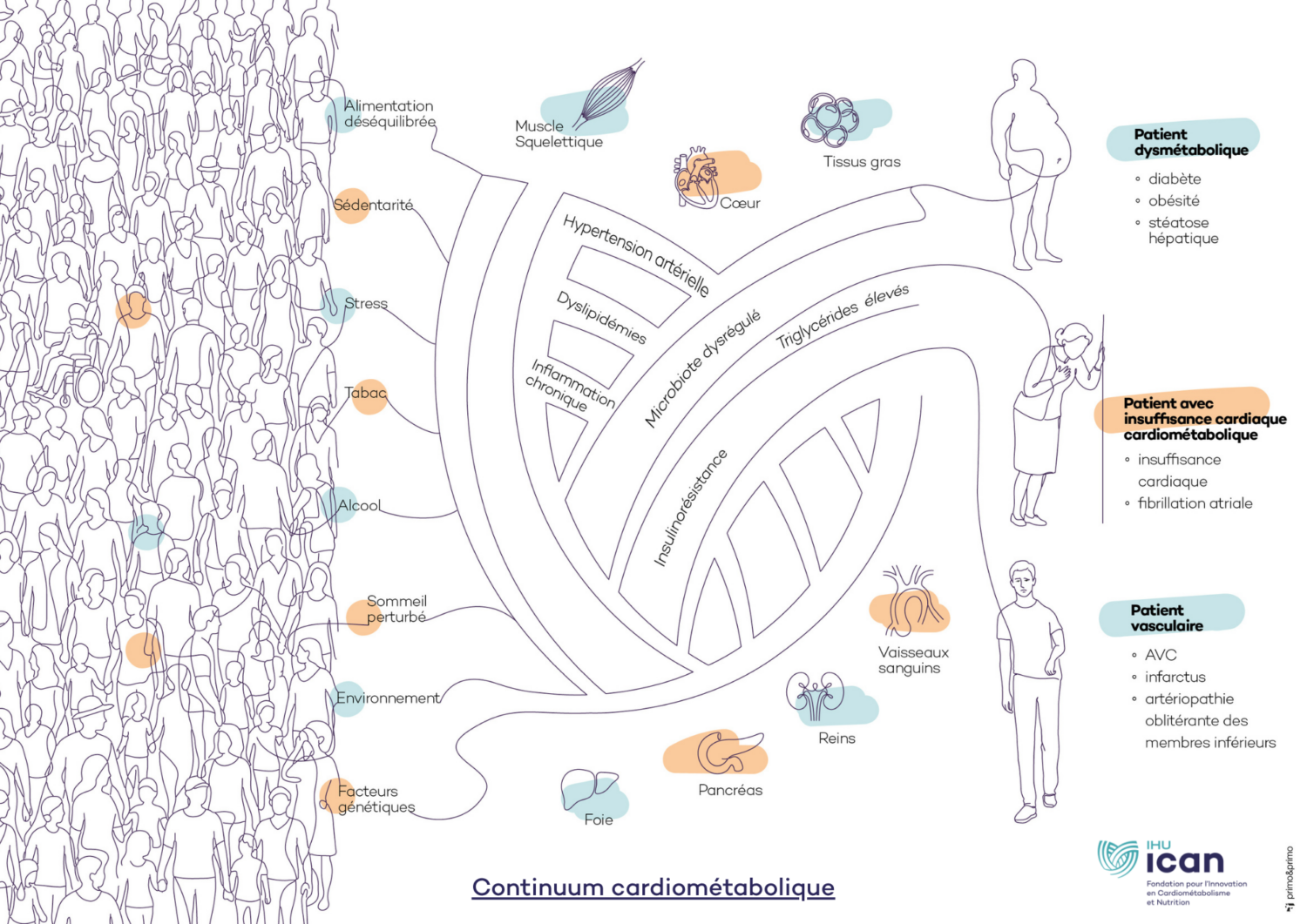
One of the challenges is to address the main cardio-neuro-vascular risk factors earlier. The text specifically mentions smoking and excessive alcohol consumption, as well as cardiometabolic risk factors: a sedentary lifestyle, obesity, high cholesterol, diabetes, chronic kidney disease, and high blood pressure.
Strengthen screening throughout life
The law strengthens the role of cardio-neuro-vascular prevention in preventive health checkups. In particular, screening for cardio-neuro-vascular diseases and structural heart diseases may be offered during these checkups, including a clinical and laboratory evaluation.
Special attention is given to cardiovascular and neurological risks in women, and the specific factors contributing to these risks must be taken into account in this assessment.
Prevention also begins in childhood: the law requires an early screening appointment within one year of a child’s sixth birthday, specifically to screen for familial hypercholesterolemia. Annual awareness campaigns on cardiovascular and cerebrovascular risk factors are also planned starting in elementary school.
Prevention in the Workplace as Well

Another important development: cardio-neuro-vascular prevention is becoming an increasingly integral part of occupational health.
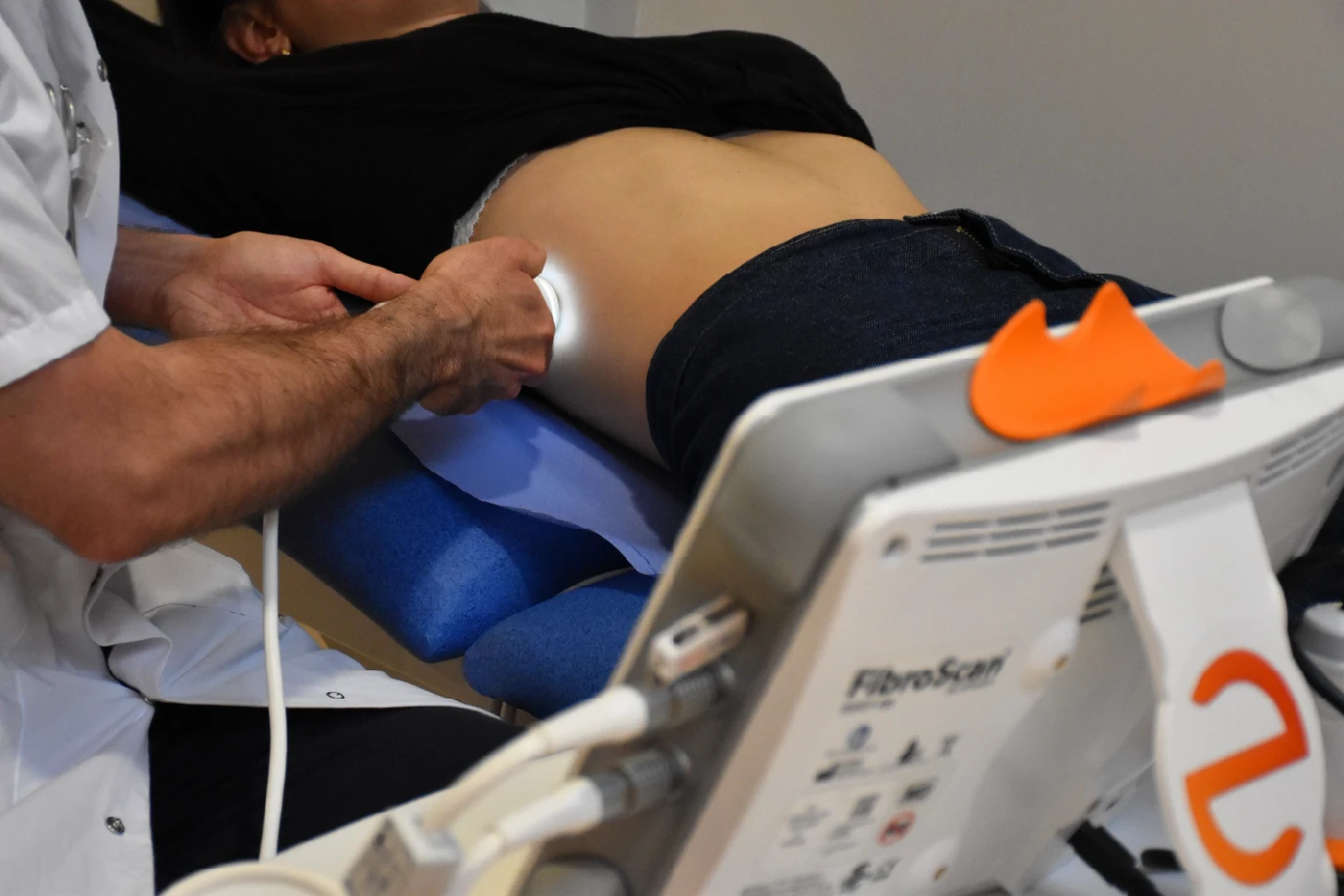
Screening campaigns and annual awareness initiatives focused on risk factors may be organized. Early screening for cardio-neuro-vascular diseases and structural heart diseases may also be offered as part of certain occupational health examinations.
At the same time, the law expands the role of community health professionals. In particular, pharmacists and physical therapists will be able to measure blood pressure as part of efforts to prevent cardio-neuro-vascular risks.
Taking Action on Cardiometabolic Health
This new national strategy addresses the scientific and medical challenges at the heart of the IHU ICAN’s missions:
Obesity, diabetes, dyslipidemia, high blood pressure, liver disease, and cardiovascular disease should no longer be viewed in isolation. These conditions share many common mechanisms and risk factors and can develop silently over several years.
Gaining a better understanding of how these factors interact, identifying those at risk, and intervening before complications arise are therefore key priorities in prevention.
Through its research programs, teams, and technology platforms, the IHU ICAN has, for the past 15 years, been developing an integrated approach to cardiometabolic diseases, translating this research into new prevention strategies for earlier diagnosis and patient care through personalized, multidisciplinary care pathways.
The law of July 27, 2026, thus reinforces a belief held by the IHU ICAN and the partners of the CRM Coalition: the prevention of cardio-neuro-vascular diseases also requires a better understanding of and early management of cardiometabolic and renal risk factors.
To learn more: A Closer Look at the CRM Coalition
In 2026, the IHU ICAN joined the “CRM Coalition,” a unique group with a shared goal: to transform the prevention and management of cardio-renal metabolic (CRM) diseases.
The CRM Coalition brings together 10 complementary organizations whose diversity—scientific, institutional, and nonprofit—forms the basis of its legitimacy: Boehringer Ingelheim, the IHU ICAN, the Federation of Medical Biology, the French Federation of Diabetics, France Rein, the SOS Hepatitis and Liver Diseases Federation, Poids Plumes France, the Alliance du Cœur, the Sapiens Institute, and UNIPA.
This commitment is part of one of the many prevention initiatives undertaken by IHU ICAN, which complement its scientific research activities and its efforts to develop care pathways and innovative projects.