
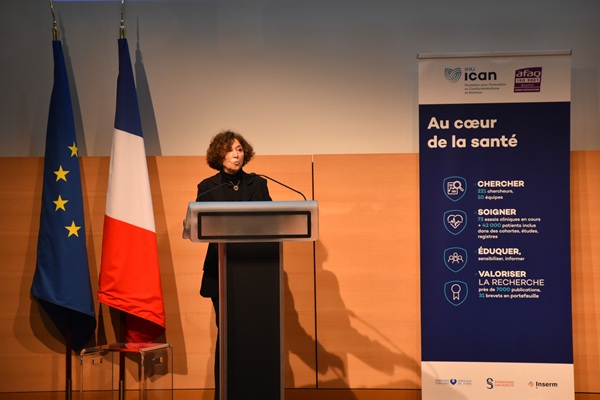
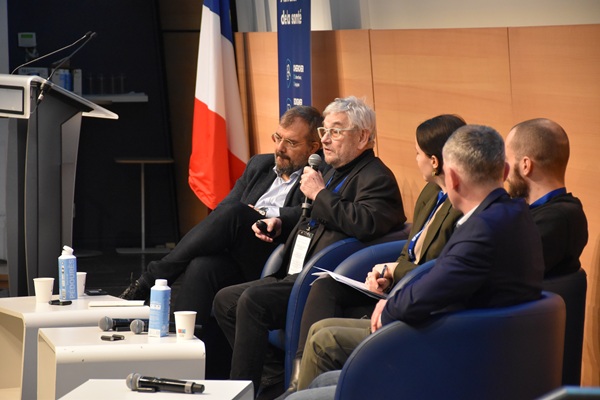
Researchers, doctors, patient advocates, and industry representatives were once again brought together by the IHU ICAN and the French Cardiology Federation on January 22, 2026, with the aim of reducing the incidence of cardiovascular disease in France.
The highlight of this symposium, held at the Ministry of Health, was prevention; the exchange of expertise and experiences made it possible to assess the challenges and feasibility of these efforts. Now, we must convince public authorities to invest heavily in targeted programs and research so that these diseases become a thing of the past.
Check out the summary of the day’s lively discussions below!
The Urgent Need for a National Heart Plan

The burden of cardiometabolic diseases on the health of the French population and the healthcare system has become unbearable.
It is the second leading cause of death in France after cancer, and everyone will be affected by it at some point. It’s not that there hasn’t been medical progress. On the contrary, there has been a great deal of it. Improvements in treatment have been remarkable in the 20th and 21st centuries, and the number of deaths has plummeted from about 320 per 100,000 people in 1955 to around 60 in 2022[1].
“Mortality from myocardial infarction was around 40% in 1986; today it stands at 4%. This is truly a remarkable success story,” notes Prof. Philippe-Gabriel Steg, Head of the Cardiology Department at Bichat Hospital.
In Europe, France is actually one of the countries with the lowest mortality rates from cardiovascular disease. But today, that downward trend has come to a halt. Mortality rates are no longer falling; in fact, they are rising slightly again, even though the main risk factors are well known: high blood pressure, high cholesterol, obesity, stress, and a sedentary lifestyle.
One reason is the aging population, with more than 70% of people aged 80 or older living with chronic diseases. But this is not the only explanation, as cardiovascular diseases kill people well before that age, and women, for example, are increasingly suffering heart attacks before the age of 65. Over the past decade, an increase in hospitalizations has been observed at a rate of more than 5% per year among women[2].
Boehringer Ingelheim, which was invited to the IHU ICAN symposium, quantified the challenges at stake:
- According to the models, health insurance expenditures on the treatment of all cardiovascular and metabolic diseases amount to 45 billion euros. This represents nearly 20% of the total budget of this public agency and is twice as much as the amount spent on cancer[3].
- These 45 billion euros cover more than 500,000 hospitalizations of patients who have suffered strokes, heart attacks, or heart failure, and fund the care of nearly 5.5 million patients who have survived one of these events[4]. And yet, if only this costly care allowed everyone to return home unscathed. But this is far from the case, since these cardiovascular events most often leave serious sequelae: neurological deficits, paralysis, dependency…
- As Franck Mouthon, Director of the Agency for Health Research Programs, puts it: “In France, life expectancy is increasing, but not necessarily in good health.”
Can we do better? Yes, of course. But how? All stakeholders—healthcare providers, patients, researchers, and industry representatives—gathered at the IHU ICAN symposium agree on a strategy that pays off: prevention!

The only way to preserve the healthcare system and improve people’s health is to prevent diseases from occurring in the first place.
“It is the only major lever worth activating,” says Professor Stéphane Hatem, Executive Director of IHU ICAN. “But the term ‘prevention’ has been overused. It’s a catch-all term that encompasses so many dimensions. We need to develop concrete, systematic, and personalized solutions—as well as organizational innovations—that will turn this mantra into reality.”
This is the price the government will have to pay to make this shift, which is currently still very tentative. “Awareness exists, but in reality only 3% of healthcare spending is allocated to prevention, and at Inserm, only 7% of the budget is earmarked for cardiovascular diseases,” notes Prof. Gérard Helft, cardiologist and President of the French Federation of Cardiology. That’s practically nothing.
Prove that it is profitable
“Objectively speaking, ‘how can we focus on prevention when the country is financially drained and faces a widespread shortage of medical care, with consultation times that only allow us to address the most urgent cases?’” asks Laurent Borella, Director of Health at Malakoff-Humanis. Indeed, prevention is costly and requires human resources. It involves screening, monitoring, informing, and providing support.
Professor Isabelle Durand-Zaleski, a physician and economist who heads the AP-HP’s Clinical Health Economics Research Unit, even goes so far as to point out that prevention does not necessarily lead to cost savings. “A study published in the prestigious New England Journal of Medicine[5] showed that the same resources must be allocated to prevention as to treatment to gain one year of healthy life in the general population. This is due in particular to cases of overdiagnosis of diseases that would not necessarily have progressed due to overly broad prevention, and the resulting overtreatment,” she explains. Let us take away from this study, which is already about ten years old, that in the worst-case scenario, prevention costs as much as treatment—except that, at least, the person remains in good health..
But we’ll have to do better, because the issue of the cost of prevention is very important. “If we want to increase pressure on policymakers to implement effective cardiovascular prevention, there must be an economic benefit,” explains Dr. Caroline Semaille, Executive Director of Santé publique France. And all those who initiate prevention projects have clearly understood that for effective and lasting measures to be adopted, they must also be sustainable. In fact, interventions are now almost systematically evaluated from a medico-economic perspective.
Today, the contribution of new technologies and the variety of interventions—which also draw on France’s network of pharmacies and medical laboratories—are helping us move toward this goal, particularly through more targeted programs. And the results are often compelling. Santé Publique France can attest to this.
“Communication campaigns are incredibly expensive,” Caroline Semaille points out. “Yet they’re cost-effective: every euro invested in the ‘Month Without Tobacco’ campaign saves the healthcare system eight euros,” she explains. Models from Boehringer Ingelheim confirm the cost-effectiveness of prevention: for every euro invested in cardiovascular prevention programs for patients with at least two cardiovascular comorbidities, two to six euros are saved over four years. The Malakoff Humanis health insurance provider also demonstrates this with its Mon Bilan Cardio program. It offers its members, regardless of age, a free health assessment with a doctor, pharmacist, or advanced practice nurse. Volunteers with one or more risk factors are then referred to a care pathway recommended by the HAS.
“It’s measurable and scalable,” explains Laurent Borella. “We’ve funded more than 50,000 health screenings since 2022, at a cost of 50 euros per screening. Following these screenings, 27% of patients were referred to a doctor for treatment, and 39% made changes to their lifestyle. Ultimately, we observed an 8% decrease in strokes, a 12% decrease in coronary heart disease, and a 15% decrease in diabetes among those who underwent this assessment, compared to other members who did not participate in this program. This represents a savings of 576,000 euros for the healthcare system. We need to stop talking and start acting!”
Primary prevention: a matter that is as much an individual concern as it is a collective one
Now that the groundwork has been laid for a prevention strategy that can win the support of funders, what are the key areas for action? Information and education. And this must begin at a very young age. “What are we waiting for to start talking about health in schools?” asks Dr. Jean-François Thébaut, Vice President of the French Diabetes Federation, indignantly.
This is primary prevention. It involves teaching people behaviors that protect their hearts and arteries and aiming for optimal cardiovascular health. The stakes are all the higher given that other widespread diseases are also affected, such as cancer, mental illness, and dementia… The recommendations are well-known: engage in daily physical activity and avoid a sedentary lifestyle—the famous 10,000-step-a-day benchmark is a good start—eat a balanced diet and consume at least five servings of fruits and vegetables a day, quit smoking, limit salt and alcohol intake, and get enough sleep. Many French people have already heard these messages and know what is good for them. However, compliance rates are low: 40% do not get enough physical exercise, and barely more than a quarter eat the recommended five fruits and vegetables. Ultimately, only 11% of the French population has ideal cardiovascular health[6].
Gender and socioeconomic inequalities
Furthermore, there are glaring disparities between genders and socioeconomic groups. Women often have healthier lifestyles but die from cardiovascular disease at a higher rate than men, as they are frequently diagnosed too late. Studies show that women undergo fewer screenings, receive less treatment, and are diagnosed with myocardial infarction later, even though their risks are high due to smoking, its association with estrogen-progestin contraception, and the increasing prevalence of obesity and sedentary lifestyles.
But the disparities are also enormous across educational levels: only 4% of people without a high school diploma have very good cardiovascular health, compared with 21% of those with a higher level of education[7]. Rates of obesity and diabetes, in particular, are strongly correlated with socioeconomic status.
The responsibility of public authorities
“Adopting a healthy lifestyle isn’t just a matter of willpower—far from it. Public authorities bear a huge share of the responsibility when it comes to access to healthcare. The price of tobacco is proof of this: raising it has caused consumption to plummet. Mandates are useless; if the most vulnerable people do not have access to healthy food at reasonable prices, green spaces and safe places to exercise, or clear and appropriate information, prevention remains a pipe dream,” says Caroline Semaille.
Not to mention the risk factors directly attributable to public policy, particularly environmental pollution. “Exposure to fine particulate matter is a cardiovascular risk factor. In fact, the ALBANE epidemiological study by Santé publique France, designed to reassess the health status of the French population, included this factor for the first time,” she explains.

However, “there are many obstacles,” notes Philippe Gabriel Steg. Industry lobbies are powerful and have, for example, blocked the widespread adoption of NutriScore, which helps consumers choose healthier foods. There is also a certain amount of misinformation in the health sector, sometimes spread by highly reputable media outlets. “This was the case with the smear campaign orchestrated against statins a few years ago, which were accused of unnecessarily enriching pharmaceutical companies. Yet all studies show that these drugs save lives at a cost of 5 euros per month of treatment. This negative rhetoric had a direct impact on treatment adherence, leading to an increase in mortality[8],” he explains.
Cardiometabolic prevention must therefore be targeted and tailored to different groups. This is what has brought health literacy to the forefront.
The goal is to tailor public health messages to individuals’ capabilities so that these messages are understood and retained across different social contexts and life stages. This is the objective of the Jacardi (Joint Action Européenne) project: it involves conducting a comprehensive assessment across Europe and studying the relationship between prevention messages and individuals’ health status.
When will the recommended treatment goals be achieved?
Another key area for improvement involves actively strengthening the care provided to people with one or more cardiovascular risk factors, such as high blood pressure, high cholesterol, or diabetes.
This is secondary prevention.
Several studies presented at this conference show that treatment goals are rarely met, representing a missed opportunity for patients to remain healthy.
High blood pressure: still widely underdiagnosed
“The situation regarding hypertension is particularly alarming,” warns Philippe Gabriel Steg. This condition is very common, affecting approximately 30% of adults. Yet barely half of those with hypertension are aware of their condition, even though it is responsible for 40% of strokes and 45% of ischemic diseases. It plays a massive role in cardiovascular mortality, accounting for 380,000 hospitalizations and 56,000 deaths annually—more than 8% of total mortality in France[9]. Furthermore, among those diagnosed with hypertension, barely a quarter receive effective treatment to bring blood pressure levels down to target ranges[10]. “And this failure cannot be attributed to the medical workforce, since it has been found that hypertensive patients have an average of ten visits per year to a general practitioner,” he notes. The same applies to hypercholesterolemia. Lipid targets are rarely met, even though there is a strictly linear relationship between this lipid abnormality and cardiovascular risk, with 23,000 deaths attributable to hypercholesterolemia and 230,000 hospitalizations per year.
And whatever the illness, the conclusion is the same.
“One-quarter of cases of heart failure go undiagnosed, and nearly 600,000 people with diabetes are unaware of their hyperglycemia[11], even though 20 to 50% will develop complications. Treatment typically begins only after the first complication arises, yet this delayed care is more burdensome for patients and represents a major cost to the healthcare system,” emphasizes Prof. Olivier Bourron, Head of the Diabetes Department at Pitié Salpêtrière Hospital.
Familial hypercholesterolemia: Diagnosis and Treatment Come Too Late
The case of familial hypercholesterolemia is also very telling. Lionel Ribes, president of the ANHET association, points to a lack of commitment on the part of public authorities. This genetic condition increases the risk of cardiovascular disease in adulthood by a factor of thirteen, with the first heart attack occurring on average at age 47.
“Screening should be routine in childhood, as is the case in some European countries, because prevention is all the more effective the earlier it begins. We’ve been asking for this for several years, and the French National Authority for Health has finally added our request to its agenda for review. And once a diagnosis is made, it should be possible to follow the recommendations. The goal is to have a cholesterol level of 0.7 g/L or lower. Personally, I was diagnosed at age 17 with a level of 4.6 g/L, which was reduced to 1.45 g/L thanks to treatment. But I can’t get it any lower because access to an innovative medication—the anti-PCSK9 drug—is currently unavailable in France due to shortages, linked in particular to pricing issues.”
And what about tertiary prevention?
Once patients have suffered a first cardiovascular event, their care must be rigorous. However, an Adhereco study conducted by the French Diabetes Federation (FFD) shows that this is far from the case. “Among people who have had a myocardial infarction, only 20% of patients meet lipid targets,” notes Jean-François Thébaut. And yet the HAS recommendations date back to 2012 and target cholesterol thresholds well above those in European guidelines… “But don’t worry, an update has been in the works for five years!” quips Philippe Gabriel Steg.
Addressing this gap in screening and care is essential. There needs to be wider dissemination and use of risk scores, along with greater awareness of the importance of treatment goals. Franck Mouthon specifically proposes targeted funding to support “incentives for performance and impact in the cardiovascular field.” It is also necessary to remove a number of barriers inherent to the patients themselves. Margaux Tellier-Poulain, Head of Health and Social Protection Projects at the Institut Montaigne, has worked on this topic. “There are cognitive barriers to screening, with some individuals afraid to undergo the process or afraid of the results, while others procrastinate because they are overly confident in the quality of care in France. They imagine that even with a later diagnosis, everything will be fine,” she observes. Adherence—that is, the consistency with which a patient takes their medication, including over the long term—is another major issue. Interruptions in prescribed treatments for chronic conditions are very common. “At the FFD, we’re working hard on this. Adherence depends heavily on the doctor-patient relationship, the doctor’s conviction, and the patient’s belief in their treatment. It’s truly a shared decision, and the patient needs to understand the benefits of long-term treatment,” explains Jean-François Thébaut.

An overall benefit
The inadequacy of secondary and tertiary prevention is all the more alarming given that cardiometabolic diseases form a single continuum.
These conditions are closely interrelated, and damage to one organ increases the risk of dysfunction in another—such as the heart, blood vessels, kidneys, or liver. For example, 20% of people with diabetes have cardiovascular or kidney disease, most commonly kidney or heart failure[12].
“We have a compelling example with GLP-1 analogues,” explains Professor Philippe Gabriel Steg. “By acting on a single target, this molecule regulates several cardiometabolic functions at once: blood glucose levels, body weight, and cardiac and renal function. It even offers benefits for sleep apnea. All of this simultaneously. It is clear that the functioning of these organs is controlled by intertwined molecular signals. Thus, achieving therapeutic goals for one disease means protecting other organs impacted by the same cardiovascular risk factors,” he confirms. This is well documented and should now encourage a coherent organization of care, moving away from the current siloed approach. “Working on diseases in isolation slows progress. We need to move toward integrating research and clinical organization within hospital centers of activity. That is what the IHU ICAN is doing,” insists Stéphane Hatem.
A wide range of initiatives and the contribution of digital technology
Initiatives are springing up all over France, launched by private or public entities, to improve prevention efforts.
Multidisciplinary care pathways for structured secondary or tertiary prevention, preventive health screenings at key life stages, screening campaigns… The CNAM is planning a major campaign in 2026 to encourage insured individuals to monitor their blood pressure, blood sugar, cholesterol levels, and weight, so they can take appropriate steps to improve their cardiovascular health. It will also target primary care physicians to combat treatment inertia. Professor Olivier Bourron, for his part, mentioned a project conducted in partnership with pharmacies to screen for diabetes in patients presenting with a foot wound. “An abnormality in electrical conductance, which is easy to measure, can be indicative of type 2 diabetes,” he explains.
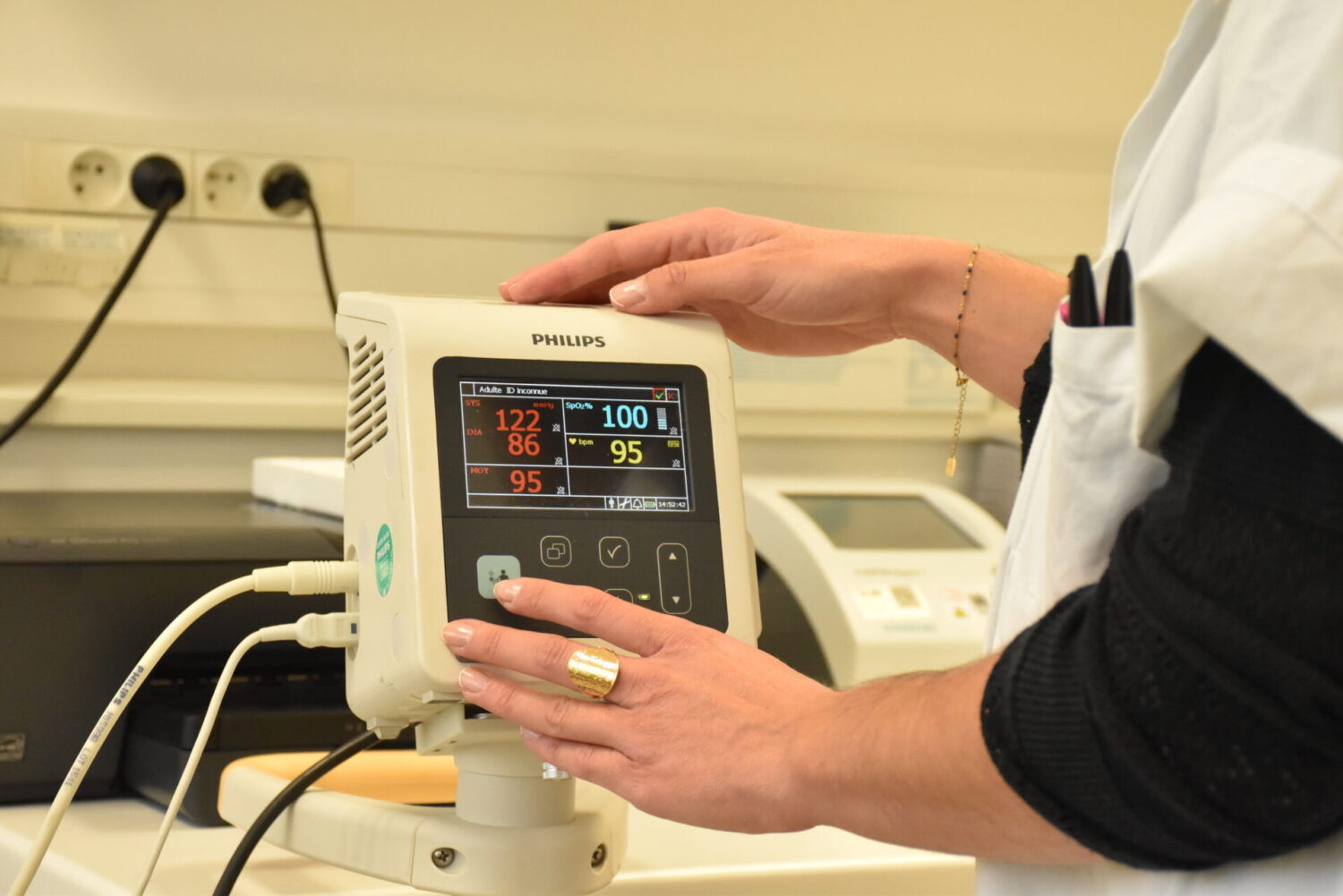
Above all, there is a strong demand for digital tools to drive innovation and improve the effectiveness of prevention programs.
“The demand for practical tools is coming from all sides—doctors, patients, and public authorities,” explains Benjamin Vittrant, Senior Medical Scientist at Withings. The company develops connected devices to monitor health metrics in healthy individuals, such as weight, urine, and sleep… “Users love clear, easy-to-understand scores,” he explains. “This simplifies the interpretation of medical data that can sometimes be complex, and above all, tracking how these scores change over time provides insight into the effectiveness of the steps taken to improve one’s health. “And behavioral change is indeed the ultimate goal of primary prevention,” he explains. The company now works with hospitals, has products prescribed in certain countries, and is increasingly incorporating healthcare professionals into its teams. “For this to work, these devices must meet a need, be useful, and be well-accepted by patients,” clarifies Benjamin Vittrant.
Jean-François Thébaut fully agrees: “In diabetes, continuous glucose monitoring devices are highly popular. Patients immediately see the benefit for themselves.” However, one important factor must be taken into account: user anxiety. “It has been proven that wearing connected devices increases people’s anxiety levels, and we need to address that at the same time,” admits Benjamin Vittrant.
Initiatives to encourage the adoption of these digital tools
To promote the usefulness and acceptance of these tools, AP-HP has created an incubator at Hôtel-Dieu to bring developers, healthcare providers, and patients together. “The hospital is gradually embracing digital technology,” says Nicolas Castoldi, executive director of the @Hôtel-Dieu AP-HP initiative. “Since the Covid pandemic, we’ve seen a boom in medical startups, but until now, these companies were on one side and healthcare providers on the other. The goal now is to co-create projects so that the digital tools developed precisely meet the needs of hospitals.” Hence this incubator to create a collaborative ecosystem and structure the service offering, even if it means rethinking the organization of care. “For now, connected and digital devices don’t really have a place in patient care, and we need to change that,” says Nicolas Castoldi. “The goal is for them to become a major aid rather than a burden for healthcare providers and patients.”
These projects often incorporate the humanities and social sciences to assess patient behavior and the acceptability of various interventions. “If there is no buy-in for these approaches, there will be no impact,” Franck Mouthon sums up.
Predicting health trajectories
Research is also in full swing.
A whole new field of exploration is opening up in the realm of predictive medicine. The goal is to identify cardiometabolic vulnerabilities before diseases develop and to predict each person’s health trajectory based on their medical history, biomarkers, and lifestyle habits, in order to tailor preventive measures. Private and public laboratories, notably the IHU ICAN, which brings together basic, translational, and clinical research under one roof, are working tirelessly to identify these predictive markers. This research draws on molecular biology (the omics), medical imaging, and artificial intelligence.
“A study[13] has shown that there is a biological tipping point between the ages of 45 and 55, marked by vascular aging and premature aging that precedes the onset of cardiovascular disease by several years. This means that the risk is detectable before symptoms appear and that the disease develops silently. We need to identify the biomarkers that alert us to this window of opportunity for intervention. To do this, we are relying on artificial intelligence, which has already demonstrated that it can predict a person’s medical future over a twenty-year period simply by analyzing their health records! In France, we have many cohorts to draw upon to make progress, such as Constance or E3N.”
Dr. Antonio Gallo, head of the cardiovascular disease prevention unit at Pitié-Salpêtrière, focuses specifically on familial hypercholesterolemia. His FH Early project, involving 300 patients, aims to link the genetic mutations responsible for this condition to patients’ symptoms. “Some patients suffer a cardiovascular event very early on, while others do not. I want to know why, and I’m sure we can identify risk factors in these patients,” he says.
Roche Diagnostics is searching for circulating biomarkers associated with the onset of diseases and their progression. “We’ve shifted our focus from treatment to prevention,” says Laura Lalle, a cardiology expert at Roche Diagnostics France. “Before, we were looking for markers of the acute phase of diseases. Today, we want to be able to diagnose individuals who are asymptomatic but whose biological markers indicate they are at risk. To do this, we analyze massive amounts of patient data using artificial intelligence. “At the European level, there are increasing calls for projects in this area; this is the strength of the academic-industry-patient partnership,” she explains. Gradually, these biomarkers will be integrated into predictive algorithms, with the goal of targeted prevention.
This research must also focus on the exposome, which drives health trajectories. “Prolonged exposure to certain internal or environmental factors, including during the fetal stage, is the main driver of cardiovascular disease. Yet we are seeing that these diseases are occurring at an increasingly early age,” says Dr. Antonio Gallo. “A better understanding of these determinants will allow us to better predict health trajectories and adopt a more flexible approach to prevention throughout life. Today, prevention is too static, with the same targets applied to everyone at all times. Yet life courses are dynamic, and health parameters are constantly evolving alongside behaviors.”
The call for a “Heart Plan”

It is clear that the need for research and innovation in the field of cardiometabolic prevention is enormous. “We need a heart plan on par with the cancer plan,” argues Gérard Helft. “We must convince public policymakers because the very sustainability of the healthcare system is at stake,” concludes the cardiologist. While waiting to be heard, France can already count on the European momentum of the Safe Heart Plan, the European Commission’s first heart health plan, in the hope that funds will flow toward research, digital innovation, and the fight against social inequalities.
[1] WHO Mortality Database (2025).
[2] Gabet A et al. Acute coronary syndrome in women: rising hospitalizations among middle-aged French women, 2004–2014. Eur Heart J. 2017;38(14):1060–5.
[3] 2024 Report of the Court of Auditors https://www.ccomptes.fr/sites/default/files/2024-05/20240529-Ralfss-2024-Medicaments-anti-cancereux.pdf
[4] Grave C et al. Arch Cardiovasc Dis. 2024
[5] Farley TA. N Engl J Med 2016;374:1303-1306.
[6] Esteban 2015: Health survey on the environment, biomonitoring, physical activity, and nutrition, adults aged 18–74
[7] Santé Publique France 2025, https://www.santepubliquefrance.fr/presse/2025/les-maladies-cardiovasculaires-en-france-un-impact-majeur-et-des-inegalites-persistantes
[8] Bezin J. et al. Arch Cardiovasc Dis 2017;110:91–8
[9] C Grave et al. The burden of cardiovascular, cerebrovascular, and renal diseases attributable to systolic hypertension in France in 2021. Hypertension 2024
[10] Santé Publique France. High blood pressure: reported prevalence, screening, and treatment. Santé Publique France Health Barometer: Results of the 2024 edition
[11] Esteban 2015: Health survey on the environment, biomonitoring, physical activity, and nutrition, adults aged 18–74.
[12] Birkeland KI et al. Heart failure and chronic kidney disease: associations with clinical manifestations and mortality risk in type 2 diabetes: A large multinational cohort study. Diabetes Obes Metab 2020;22:1607–1618.
[13] Yingjie Ding et al. A comprehensive human proteome profile spanning a 50-year lifespan reveals aging trajectories and signatures. 2025. Cell 188; 1–22