
As part of its third national campaign on cardiometabolic diseases, the IHU ICAN is sounding the alarm, backed by an op-ed published in Le Figaro Santé on Tuesday, April 7, 2026 (World Health Day).
Prevention has become essential to reducing the burden of these diseases on the health of the French population and the healthcare system.
A complete turnaround is needed, and the responsibility lies with both individuals and the collective.

Cardiometabolic diseases: a major public health challenge

Given the aging population and declining health habits, prevention appears to be the only sustainable solution for safeguarding the health of the French people and the healthcare system.
The stakes are high: everyone will be affected at some point in their lives.
The IHU ICAN is positioning itself as a driving force behind this transition toward preventive medicine. In January 2026, a symposium bringing together government officials, researchers, doctors, patients, and industry representatives was held at the Ministry of Health.
Understanding Cardiometabolic Diseases and Their Risks
The concept of cardiometabolic diseases highlights a reality that is still not widely understood: metabolic disorders such as diabetes, obesity, metabolic fatty liver disease (MASH), dyslipidemia, and high blood pressure constitute a group of closely related conditions that increase the risk of cardiovascular events.
Cardiometabolic diseases encompass several interrelated conditions:
- diabetes
- obesity
- metabolic fatty liver disease (MASH)
- dyslipidemias
- high blood pressure
These conditions increase the risk of cardiovascular events:
- strokes
- myocardial infarction
- heart failure
Despite medical advances, the decline in mortality has now come to a halt.
Medical advances have been remarkable in the 20th and 21st centuries, with the number of deaths from cardiovascular disease plummeting from 320 per 100,000 people in 1955 to around 60 in 2022. But this decline has now come to a halt, and mortality rates are no longer falling.
leading cause of death in France
annual hospitalizations due to cardiovascular disease
Many people live with often serious long-term effects: neurological deficits, paralysis, disabilities…
annual expenditures related to the treatment of cardiometabolic diseases and their complications (20% of the health insurance budget)
Preventing cardiometabolic diseases: an essential strategy
Prevention is a priority for all healthcare providers
“ “It is urgent to make full use of this approach at every stage of these diseases’ progression. Indeed, they form a continuum; they are intertwined and progressive. Thus, primary prevention is intended to prevent the onset of cardiometabolic diseases, secondary prevention to prevent the occurrence of their complications, and tertiary prevention to combat recurrence in the event of a cardiovascular event.”
Prof. Stéphane Hatem, Executive Director of the IHU ICAN
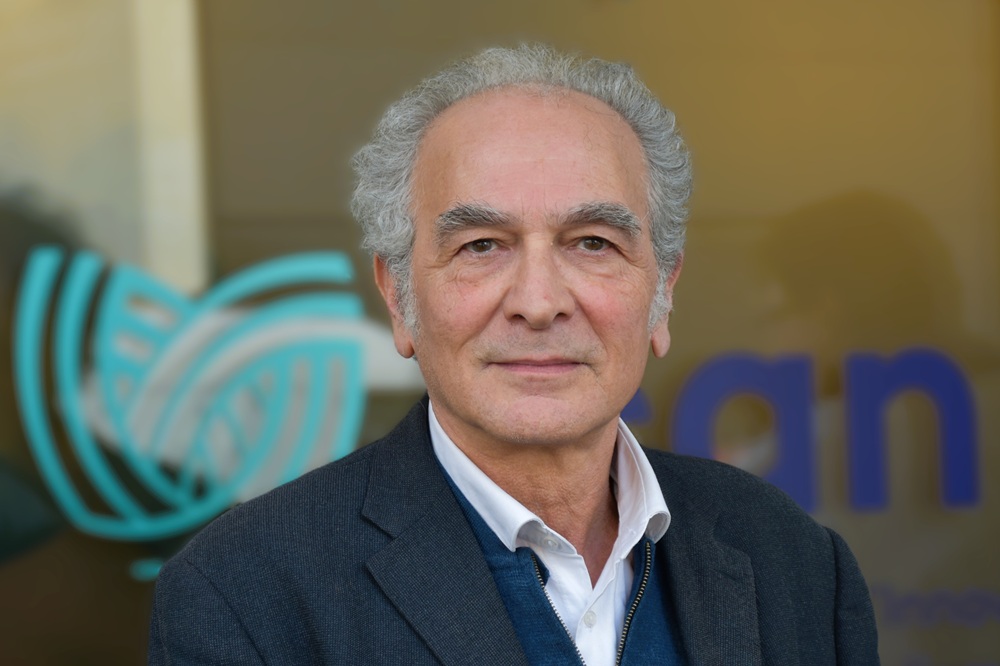
When a cardiometabolic condition is diagnosed, the goal is to screen for other associated conditions, as these conditions are intertwined and regulated by common signals—for example, hypertension and diabetes or high cholesterol.
3 complementary levels of prevention
Primary prevention: preventing the onset of disease
It involves adopting healthy habits:
- regular physical activity
- balanced diet
- quitting smoking
- reducing alcohol, salt, and sugar
- enough sleep
Secondary prevention: preventing complications
Once the condition has been diagnosed, it is essential to:
- identify associated conditions
- achieve treatment goals
Failure to meet treatment goals (blood sugar, cholesterol, blood pressure) results in a significant loss of opportunity for patients.
Tertiary prevention: preventing the onset of disease
After a cardiovascular event, the risk of recurrence is high.
Intensive care is necessary for:
- stabilize the condition
- prevent future incidents
- protect the organs (heart, kidneys, liver, blood vessels)
For example: while high blood pressure is responsible for 40% of strokes and 45% of ischemic diseases, barely a quarter of patients with high blood pressure receive effective treatment to bring their blood pressure down to target levels.
Doctors and patients need to better understand the benefits of a much more ambitious treatment approach.
It is essential to meet the treatment goals recommended by professional societies. These goals are based on evidence established through rigorous clinical trials.
Toward a National Cardiometabolic Prevention Plan

- To promote this long-term prevention approach, tailored to each patient’s life course and individual profile, the IHU ICAN recommends the implementation of a coordinated and personalized cardio-metabolic-renal care pathway.
- Advancing the prevention of cardiometabolic and kidney diseases requires collective investment in both innovative research projects aimed at identifying new therapeutic targets—particularly through the use of artificial intelligence—and in the development of new, tailored care pathways.
The IHU ICAN, a key player in cardiometabolic prevention
The ICAN University Hospital Institute has established itself as a major player in the fight against cardiometabolic diseases in France. Dedicated to translational research, it brings together researchers and clinicians at a single site (Pitié-Salpêtrière Hospital) to accelerate the translation of scientific discoveries into practical applications for patients.
- 170 doctors and 221 researchers
- More than 7,000 scientific publications
- 4 innovative treatment pathways
- 7 centers of expertise for rare diseases
- More than 42,000 patients included in cohort registries or clinical studies
- The first IHU to obtain ISO 9001:2015 certification