
Although often asymptomatic, high blood pressure (HBP) is far from harmless. It develops gradually and, over time, can damage the heart, blood vessels, and other organs.
In addition to medical treatment, making dietary changes can have a tangible effect on blood pressure.
To help you navigate these changes, the IHU ICAN invites you to download its practical guide, “High Blood Pressure: Eat Better to Lower Your Blood Pressure,” produced in collaboration with the French Cardiology Federation.
What is high blood pressure?
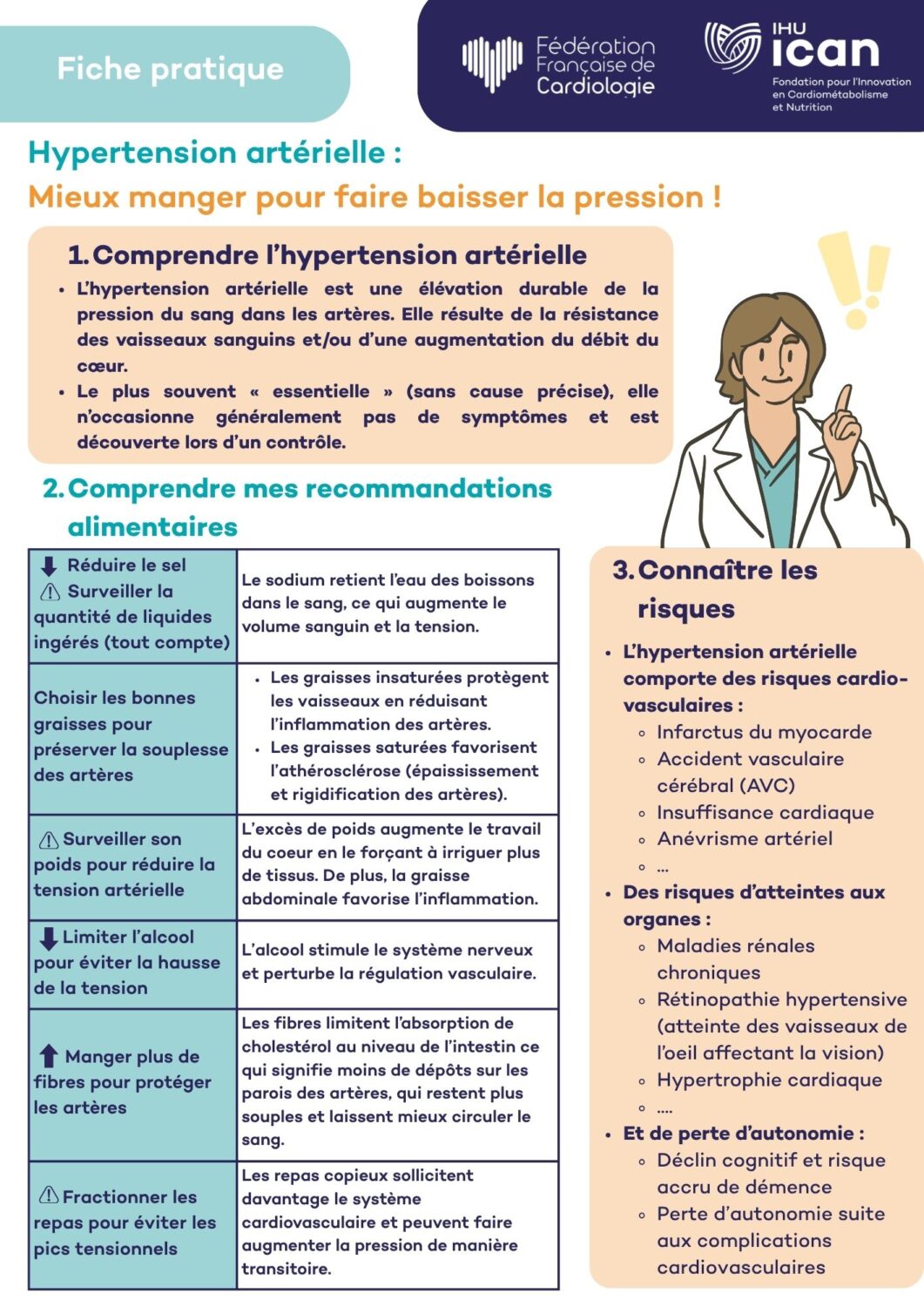
- High blood pressure is a sustained increase in blood pressure in the arteries.
- It may be related to increased resistance in the blood vessels or to an increase in cardiac output.
- In most cases, it is referred to as “essential,” meaning that no specific cause has been identified, and it remains asymptomatic, which explains why it is often discovered during a routine checkup.
Why is this a major health issue?
If left untreated, high blood pressure can lead to several types of complications.
Cardiovascular risks
- Myocardial infarction
- Stroke
- Heart failure
- Arterial aneurysm
- Cardiac hypertrophy
- …
Risks of organ damage
- Chronic kidney disease
- Damage to the blood vessels of the eye (hypertensive retinopathy)
- …
Risks of losing independence
- Cognitive decline
- Increased risk of dementia
- Loss of independence due to cardiovascular complications
The Impact of Diet on High Blood Pressure
Diet directly influences several mechanisms involved in blood pressure.
- Cut back on salt: it promotes water retention in the blood, which increases blood volume… and thus blood pressure.
- It’s important to know that not all fats are created equal: unsaturated fats help protect blood vessels, while saturated fats contribute to their hardening.
- Watching your weight: Being overweight puts extra strain on the heart and promotes inflammation.
- Limit alcohol: It disrupts vascular regulation and can contribute to high blood pressure.
- Eat more fiber: it helps limit the absorption of cholesterol, which helps keep your arteries more flexible.
Where should I start without making things too complicated?
Making simple choices every day
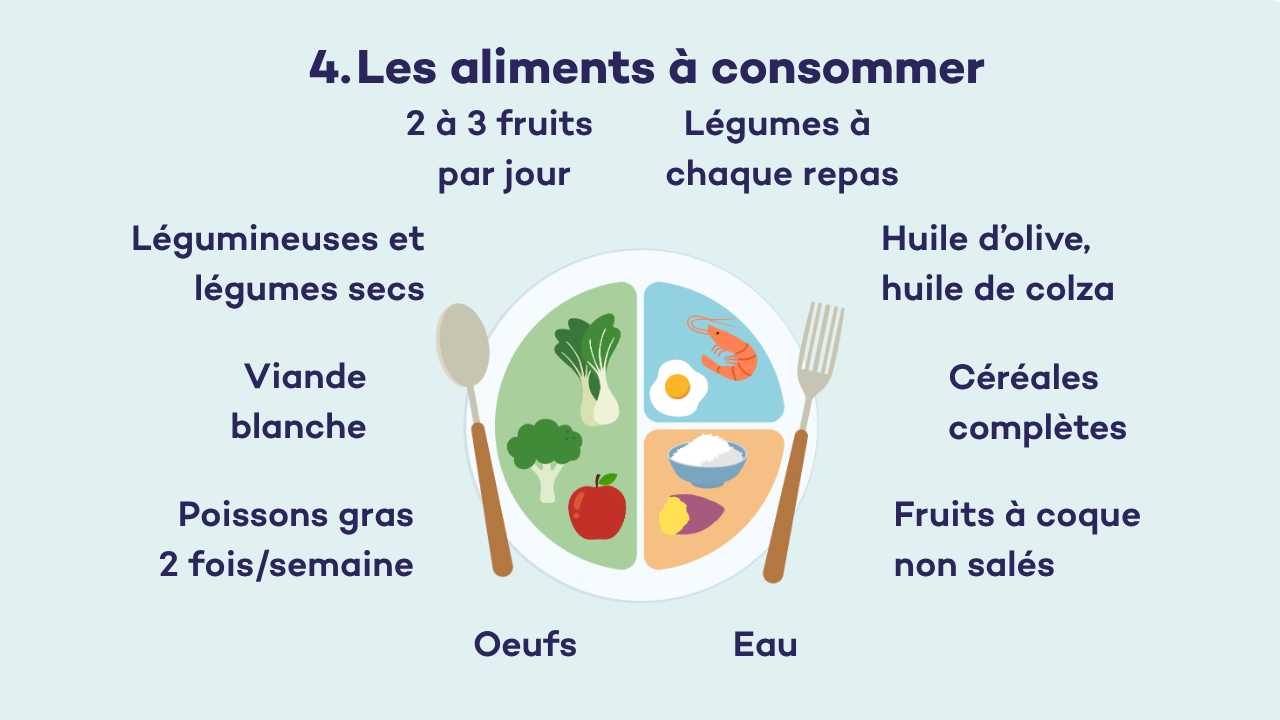
- Include vegetables, fruits, and legumes in your meals.
- Choose white meat and fatty fish.
- Choose oils such as olive oil or canola oil.
- Choose unsalted nuts and whole grains.
Identify foods to limit
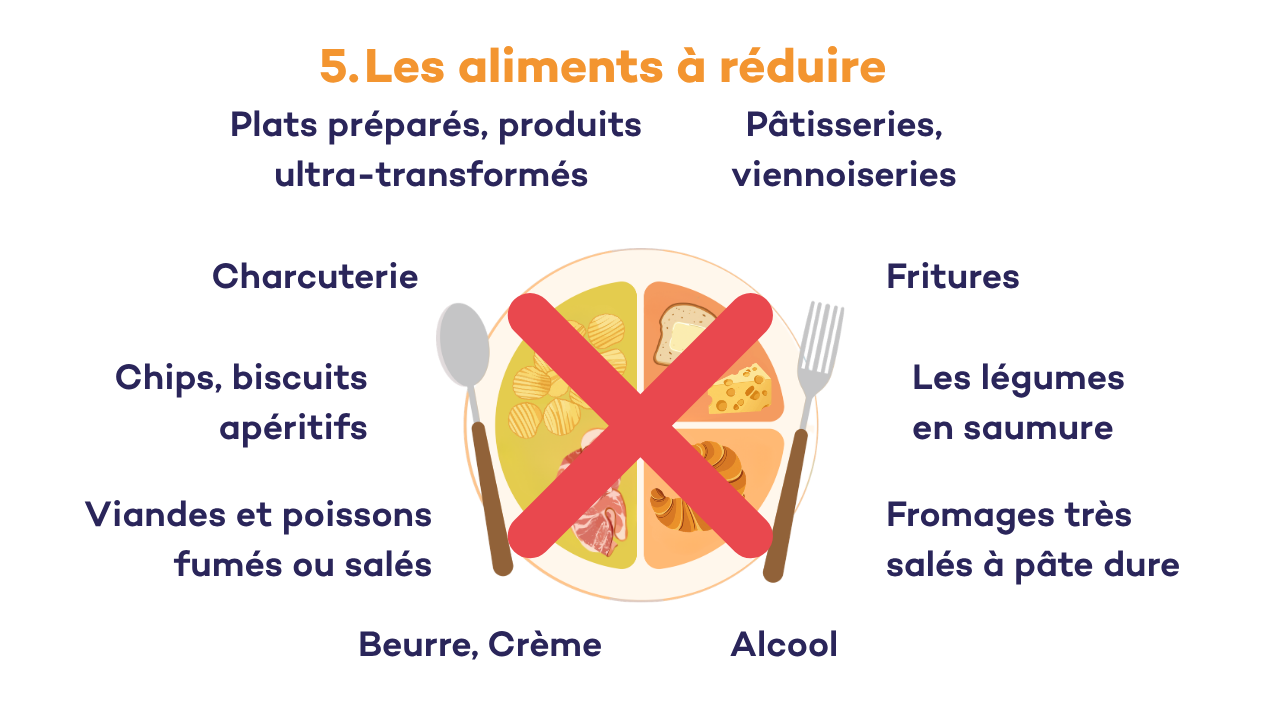
- Ultra-processed foods.
- Very salty cured meats or hard cheeses.
- Fried or high-fat foods.
- Salty snacks, alcohol, and soda.
- Pickled vegetables.
And what about outside the kitchen?
Proper hygiene and dietary practices
Diet isn’t everything. Other factors directly affect blood pressure.
- Reduce the amount of time you spend sitting; engage in hands-on activities (crafts, gardening, DIY, etc.) or social activities outdoors.
- Get at least 30 minutes of exercise every day.
- Manage your daily stress—it can raise your blood pressure.
Support from a healthcare professional
As with any chronic condition, support is essential.
Talk to a healthcare professional so that the recommendations can be tailored to your situation.
The Role of the IHU ICAN in the Fight Against High Blood Pressure
High blood pressure falls squarely within the realm of cardiometabolic diseases, which are at the heart of the IHU ICAN’s mission. These conditions, which are often interrelated and interdependent, represent a major public health challenge.
At IHU ICAN, the management of these diseases is based on an integrated approach that combines research, clinical expertise, and prevention across the entire pathophysiological continuum. Diet, as a key determinant of health, plays a central role, particularly in understanding and managing risk factors such as high blood pressure.
Through its research and public outreach efforts, the IHU ICAN helps to improve our understanding of the interactions between nutrition and cardiometabolic diseases, and provides practical, science-based guidelines to support patients and the general public.