Published on April 21, 2026, in *The Journal of the American College of Cardiology* (JACC), the recent scientific article “MASLD, MASH, and the CKM Spectrum: A Roadmap for Multiorgan Clinical Trial Design,” co-authored by Prof. Vlad Ratziu (Hepatologist, IHU ICAN / AP-HP), proposes a fundamental rethinking of how cardiometabolic diseases are studied and managed.
At the heart of this development is the emergence of a key concept: the Cardiovascular-kidney-metabolic syndrome (CKM), which this publication supports by suggesting that the liver be added to this equation to study a comprehensive cardiovascular-kidney-liver-metabolic syndrome (CKLM).
In fact, heart, kidney, metabolic, and liver diseases are closely interrelated, and medical research must shift toward comprehensive and integrated approaches to improve patient care.

Cardiovascular, renal, and metabolic diseases: a major public health challenge
Collectively referred to as cardiometabolic diseases, Cardiovascular-kidney-metabolic (CKM) diseases are known to be closely linked and are currently one of the leading causes of death worldwide.
In France:
- Nearly one in two adults is overweight or obese,
- More than 4 million people live with diabetes,
- Millions of others suffer from heart failure, chronic kidney disease, or nonalcoholic fatty liver disease.
Metabolic fatty liver disease (or MASLD, formerly known as “fatty liver disease”) has, in fact, been on the rise sharply in recent years.
In fact, this condition is often associated with other medical conditions in the same patient, such as:
- overweight and obesity
- type 2 diabetes
- lipid disorders
Cardiovascular-kidney-metabolic syndrome (CKM): an integrated approach to disease
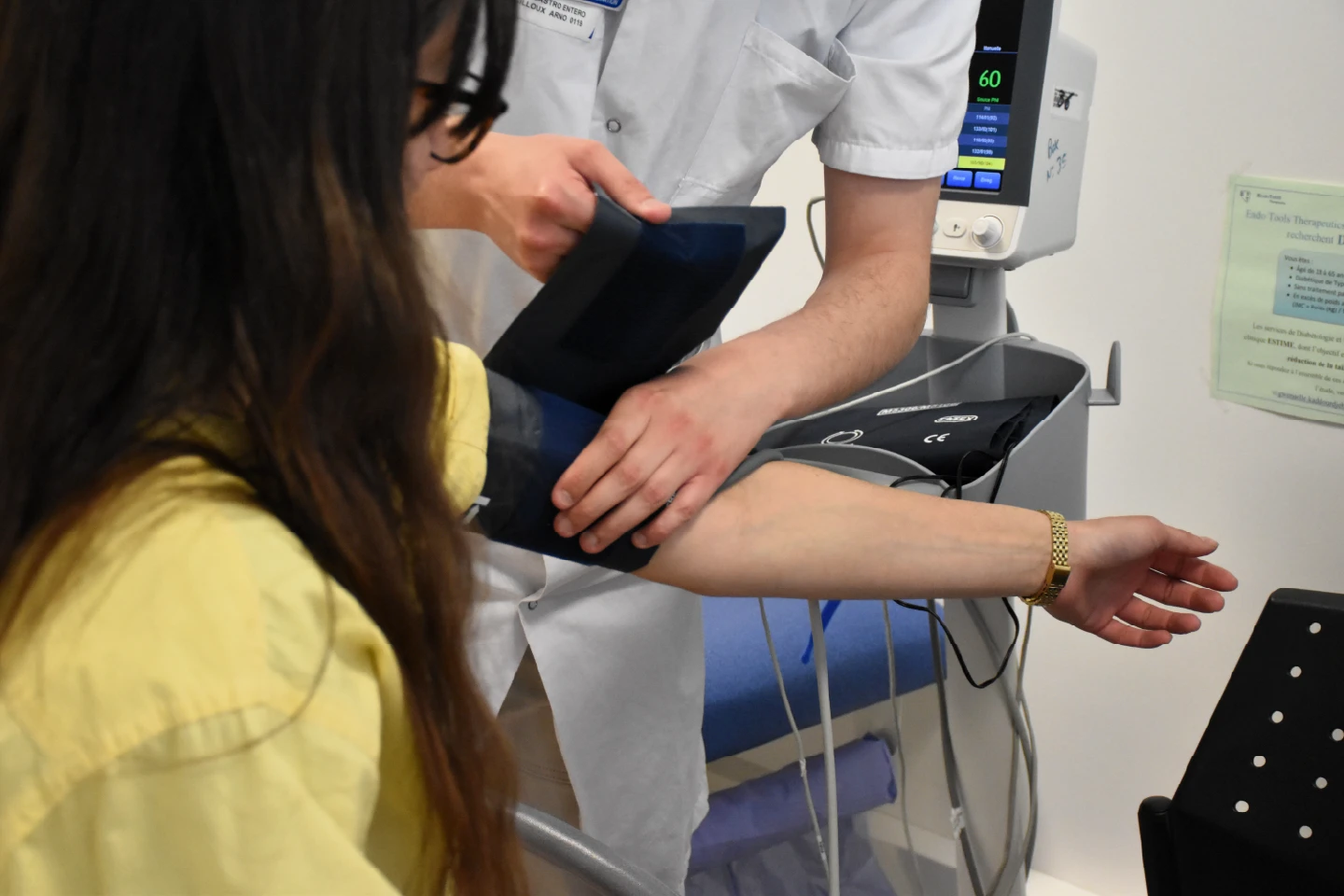
This new publication highlights the concept of cardio-renal-metabolic syndrome (CRM), which refers to the close interconnection between:
- the heart
- the kidneys
- metabolic dysfunction
These systems do not operate independently, but as an interconnected network, where any malfunction can affect the others.
In this context, liver diseases—particularly steatosis and its severe form, steatohepatitis with liver fibrosis—play a key role as a major metabolic component, further enriching and complicating this continuum.
This shift moves us from a compartmentalized approach to a comprehensive, patient-centered one.
Diseases with common biological mechanisms
What links these diseases are shared pathophysiological mechanisms:
- Chronic inflammation throughout the body
- Accumulation of toxic fats (lipotoxicity)
- Insulin resistance (associated with diabetes)
- Fibrosis (hardening of the organs)
These processes simultaneously affect:
- the cardiovascular system
- kidney function
- energy metabolism
- and the liver
This common basis explains why these diseases often occur together.
The Limits of the Current Compartmentalization of Disciplines
Today, medical care and research are still largely organized by specialty:
- cardiology
- nephrology
- hepatology
- diabetology
Clinical trials most often focus on a single condition, without taking other conditions into account. This approach does not reflect the clinical reality of patients, who often suffer from multiple conditions at the same time.
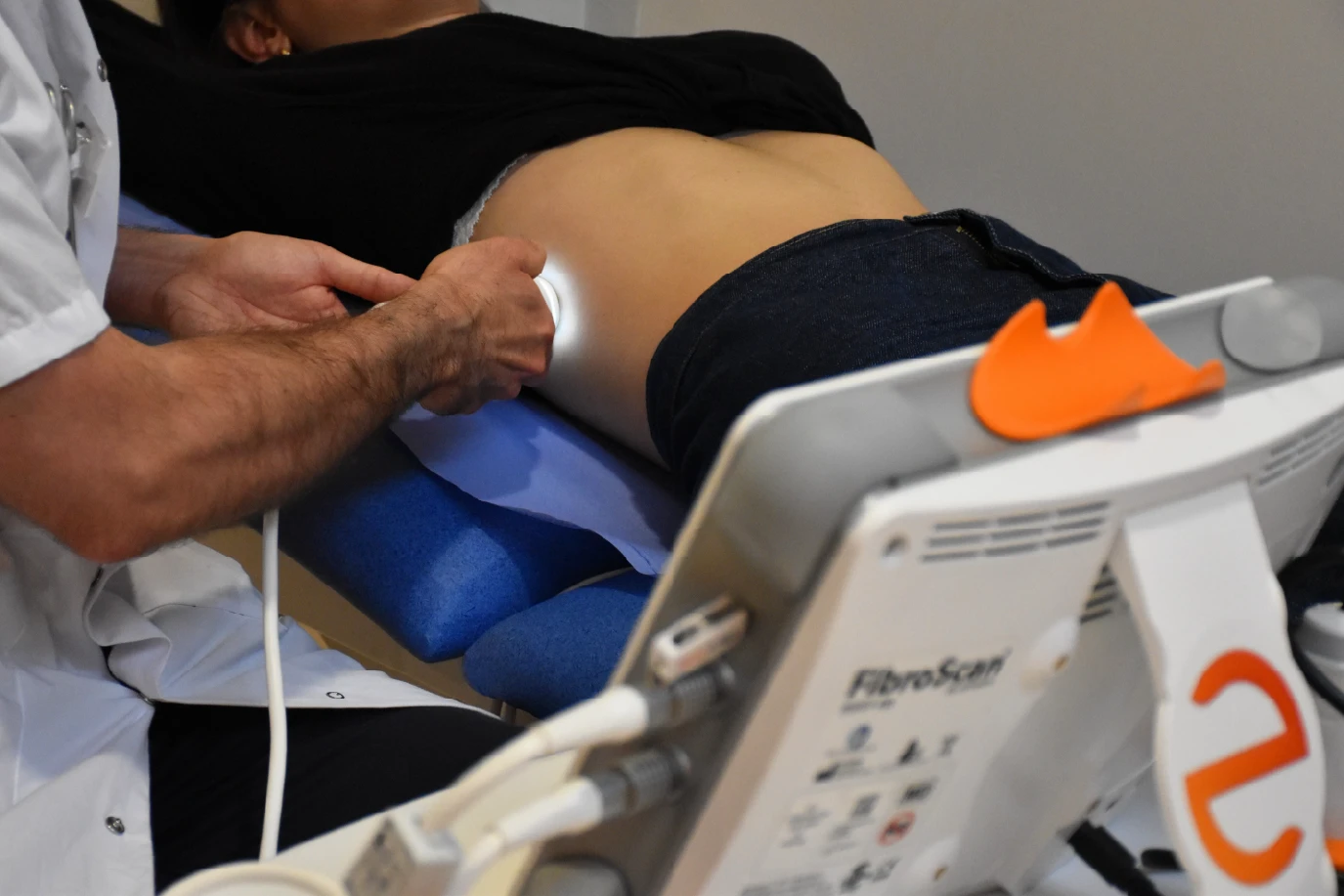
Toward Clinical Trials Tailored to Cardiovascular-kidney-metabolic (CKM)
The authors of the publication therefore propose a transformation of clinical trials to better account for this complexity.
Among the ideas discussed:
- trials involving multiple organs and diseases
- innovative clinical trial protocols (platform-based, networked)
- the use of cross-sectional biomarkers
- non-invasive assessment criteria
This publication marks a significant step forward in our understanding of cardiometabolic diseases, as it confirms a paradigm shift: moving from fragmented medicine to integrated medicine centered on the Cardiovascular-kidney-metabolic syndrome (CKM).
Key Takeaways
- Cardiovascular, kidney, and metabolic diseases are closely linked
- CRM syndrome helps us better understand this interconnection
- The biological mechanisms are common and interdependent
- Current approaches need to evolve toward greater integration
- Further clinical trials are needed to improve patient care
The IHU ICAN: A Leading Player in Cardiorenal Metabolic Syndrome
This integrated approach is fully aligned with the mission of the IHU ICAN, which works to improve the understanding and management of cardiometabolic diseases, with the goal of treating the patient as a whole rather than focusing on individual organs.
With the support of a community of more than 400 researchers, physicians, healthcare providers, and support staff, the IHU ICAN designs research projects and care pathways to break down barriers between disciplines, bridge the gap between research and clinical care, and develop personalized approaches.