On International Obesity Day on March 4, the IHU ICAN (University Hospital Institute for Cardiometabolism and Nutrition) reminds us that obesity is a chronic, complex, multifactorial disease that requires a comprehensive approach incorporating nutrition, physical activity, mental health, and personalized medical support.
- What is obesity according to the medical definition?
- What is the link between obesity and nutrition?
- Where to start when you are obese or overweight?
- Is obesity solely linked to diet?
- What are the cardiometabolic and mechanical risks?
- Which professionals should you consult for obesity treatment?
Check out our practical guide “I am overweight or obese: where do I start?”, produced in collaboration with Poids Plumes France.

What is obesity?
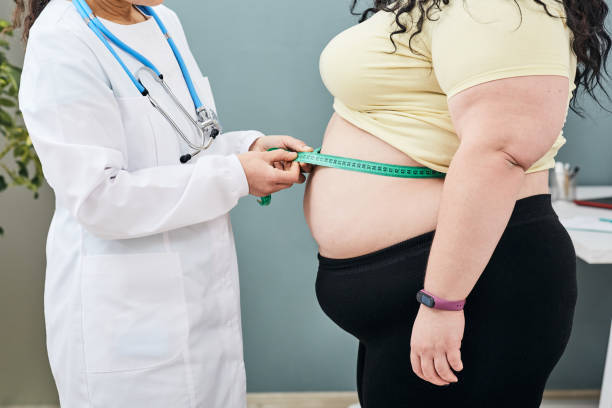
- Obesity is a chronic and complex disease. According to the WHO definition, adults are considered overweight when their BMI is greater than 25 kg/m² and obese when it is equal to or greater than 30 kg/m².
- It results from an imbalance between energy intake (food) and energy expenditure (physical activity), causing excess body fat.
- There are many causes, linked to one or more factors… which can be addressed!
Obesity: what are the health risks?
The consequences of obesity are numerous and can make life difficult:
- Numerous medical complications
- Psychological impact: discomfort, mental health issues, etc.
- Societal impact: professional and relationship difficulties, isolation, etc.
Obesity can have mechanical consequences:
- Shortness of breath
- Joint pain
- Sleep disorders
- Urinary incontinence
And cardiometabolic:
- The heart: heart attack, high blood pressure, etc.
- The liver: metabolic steatosis, cancer, etc.
- Metabolism: diabetes, high cholesterol, decreased kidney function, etc.
Nutrition and obesity: some questions to ask yourself to get started
Reducing obesity to nutrition would be an oversimplification, as the causes are multiple and often intertwined.
Good news: it is possible to influence these factors with the right support!
Psychological
factors
- Do I feel uneasy in my life, whether recently or for a long time?
- How is my sleep?
- Have I ever experienced emotional shock?
- Am I aware of any mental health issues? If so, are they being treated by a professional? (depression, anxiety, burnout, addiction, bipolar disorder, eating disorders, neurodevelopmental disorders, etc.)
Eating
habits
- Is my food intake responding to a need (hunger) or a craving/other sensation or emotion (boredom, frustration, stress, fatigue)?
- Is it varied and balanced?
- Is my diet suited to my nutritional needs and level of physical activity?
- Are the quantities appropriate?
Physical
activity
- Do I have difficulty performing certain everyday
activities (walking more than 15 minutes a day, climbing
stairs, carrying bags, etc.)? - How many hours a day am I sedentary?
- What are my current physical activity habits?
Talk to healthcare professionals who specialize in obesity.
The first thing to do is talk about it and seek support from one or more healthcare
professionals or organizations specializing in obesity:
- General practitioners or nutritionists,
- Pharmacists,
- Psychologists specializing in eating disorders (EDs),
- Dietitians,
- Massage therapists and physical therapists,
- Adapted physical activity coaches,
- Patient associations,
- …
Beware of preconceived notions
Beware of “false friends” and “fake news”: social media, guilt-inducing comments, unsuitable or inappropriate medications…
Only a professional can advise you on the right treatment for your personal situation.
A few tips to get you started,
alongside medical supervision:
Take care of your mental and physical well-being:
- Reduce the amount of time you spend sitting down, especially in front of screens.
- Engage in manual activities (arts and crafts, gardening, DIY, etc.) or social activities outdoors.
- Exercise for at least 30 minutes a day, choosing an activity that you enjoy and that suits your situation (walking in the city or in nature, yoga, swimming, dancing, fitness, weight training, etc.).
- Congratulate yourself on your gradual progress!
Sustained weight loss of around 10% of total body
weight improves many of the complications
associated with obesity! (source: Inserm)
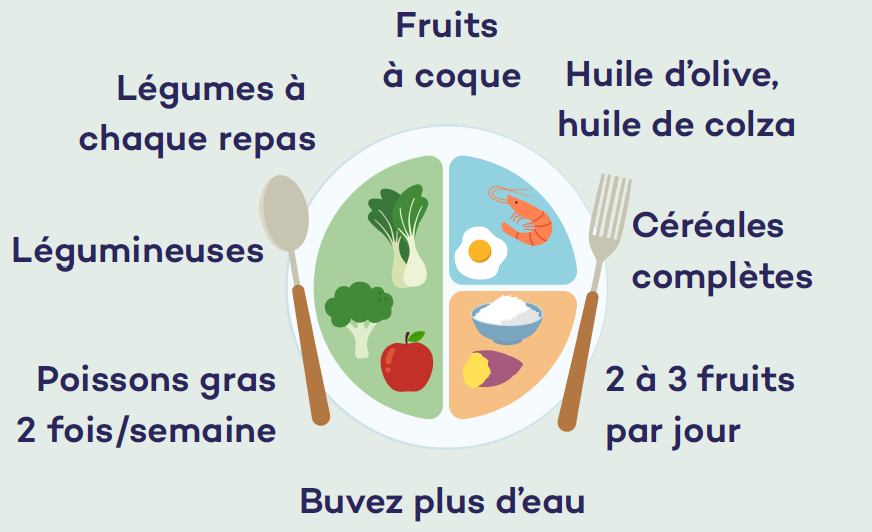
Be mindful of your diet:
- Listen to your feeling of fullness
- Adjust the quantity to suit your needs
- Eat more fiber
- Reduce salt and sugar as much as possible (use herbs and spices to replace them).
- Eat slowly and chew thoroughly.
- Cut down on soda and alcohol as much as possible.
Make room for “treat” foods: it’s all about moderation!
The IHU ICAN’s response to obesity
At IHU ICAN, these recommendations take shape through an integrated approach that combines precision medicine, individualized care pathways, and tailored therapeutic strategies, directly linked to the latest advances in cardiometabolic and nutritional research.
Our teams are developing ambitious scientific research projects dedicated to obesity. Among them, the OB-MAT project, led by Dr. Elise Balse, explores the consequences of maternal obesity on cardiac maturation after birth, in order to better understand the early mechanisms involved in cardiometabolic risk.
At the same time, IHU ICAN is stepping up its prevention and public awareness initiatives. In collaboration with patient associations such as Poids Plumes France, we are working to raise awareness, combat misconceptions, and promote a scientific and compassionate view of obesity.