

The Ob-Mat Project: Maternal Obesity and Developmental Abnormalities of the Myocardium Leading to Heart Failure
Background
- Obesity is a major public health issue, and its increasing prevalence contributes to a rise in the incidence of cardiovascular disease.
- The obesity epidemic affects pregnant women, and the uterine environment affects organ development. In particular, children of obese mothers have higher rates of cardiovascular events and mortality in adulthood, as evidenced by several studies conducted on patient cohorts.
- However, the mechanisms underlying the development of these cardiovascular diseases are unknown. There is therefore a real gap in our knowledge of the origin of the pathophysiological mechanisms leading to cardiovascular diseases, particularly heart failure, which is responsible for nearly 70,000 deaths in France each year.
- The Ob-Mat project aims to fill the knowledge gap regarding the link between maternal obesity and the occurrence of heart failure in offspring.
- Our project aims to characterize the effects of early dysmetabolism on the mechanical (pump function) and electrical (pacemaker function) functions of the heart during postnatal development through to adulthood.
Project objectives
- Study the postnatal cardiac development of offspring at different stages of development (before and after weaning), focusing specifically on the ultrastructure of muscle cells using conventional biochemical and high-resolution imaging approaches in order to characterize structural abnormalities in cell adhesion complexes.
- Study, at different stages of development, the reactivation of the epicardial layer, a source of mesenchymal progenitor cells that can differentiate into adipocytes or fibroblasts, in order to understand whether the development of heart failure is correlated with adipose-fibrous invasion of the myocardium.
- Carefully characterize the phenotype of offspring at the functional level: pump function (using echocardiography and hemodynamic approaches) and electrical function (surface ECG and optical mapping) in order to correlate functional abnormalities with developmental abnormalities.
- Characterize hearts at different stages of development (before and after weaning) in an agnostic manner using omics approaches in order to establish correlations between the functional and developmental abnormalities observed and the lipidomic, metabolomic, and proteomic status of the hearts.
- Use omics approaches to determine the lipids and metabolites most prevalent in the hearts of Ob-Mat offspring and most likely to be associated with heart failure.
Patient benefits
Inform and offer women with the aforementioned dysmetabolic conditions (obesity, diabetes, metabolic syndrome) prior to pregnancy a diet with the same calorie intake but without the lipids and metabolites identified as being particularly associated with the risk of developing heart failure in children.
Duration of the study
- 3 years: doctoral thesis completed by a student who won the BEZIAT ROUANET prize from the French Medical Research Foundation (FRM)
Overall budget
€383,340
Project leaders
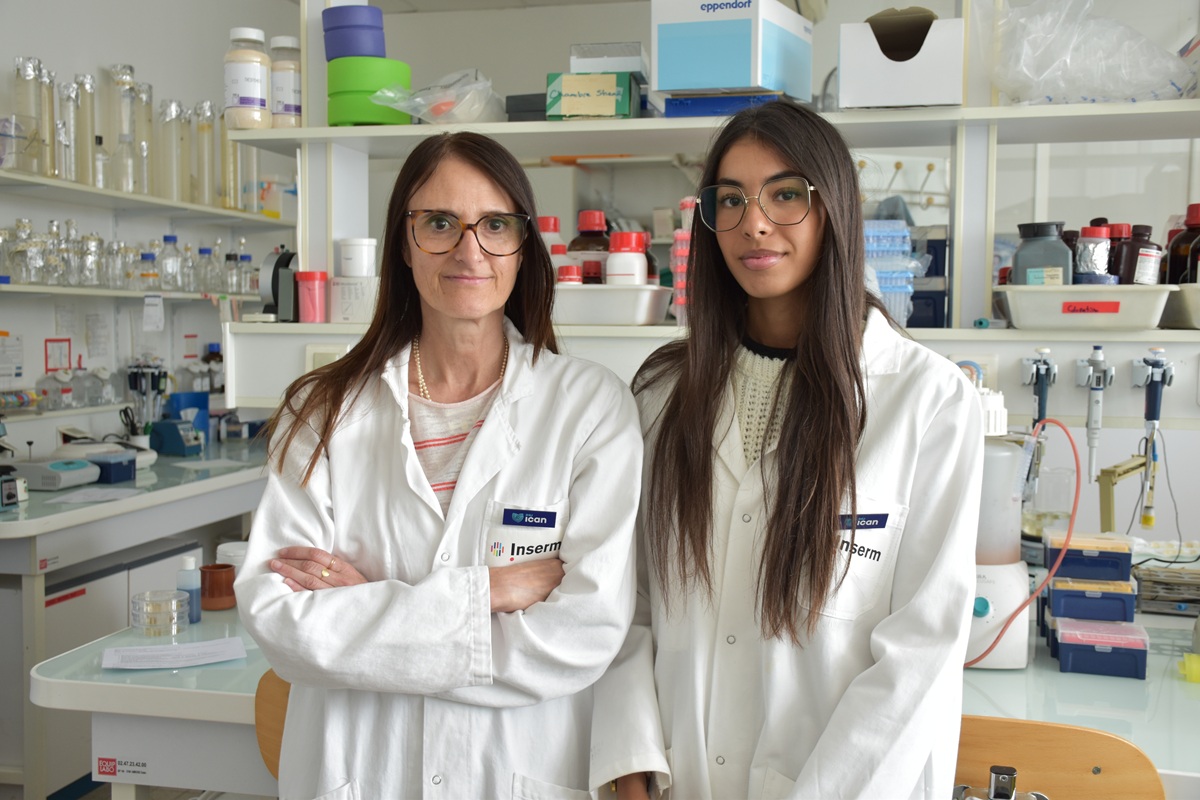
Elise Balse, MCU, UMRS1166 Cardiovascular and Metabolic Diseases, Team 3 – Molecular and Cellular Plasticity in Cardiovascular Diseases