

The CARSTEL project: Hepatic carcinogenesis and metabolic steatopathies: mechanisms, epidemiological significance, clinical phenotyping, and individual risk stratification
Background
- Hepatocellular carcinoma (HCC) is the sixth most common cancer worldwide in terms of incidence and the fourth most common in terms of mortality. It occurs in patients with chronic liver disease, most often at the cirrhosis stage.
- The steady increase in the prevalence of obesity and diabetes explains why the incidence of metabolic HCC has risen by 9% annually in the US, making it the fastest-growing indication for liver transplantation.
- CHC can occur in the absence of cirrhosis, and it is also often detected at a later and therefore more advanced stage, which limits the possibilities for curative treatment.
- This can be explained by a lack of awareness of the carcinogenic potential of this liver condition, the absence of individual risk assessment, and the lack of cost-effective screening policies.
- Given the increase in the incidence of type 2 diabetes and obesity in Western countries, assessing the risk of liver cancer in patients with metabolic syndrome has become a major medical issue.
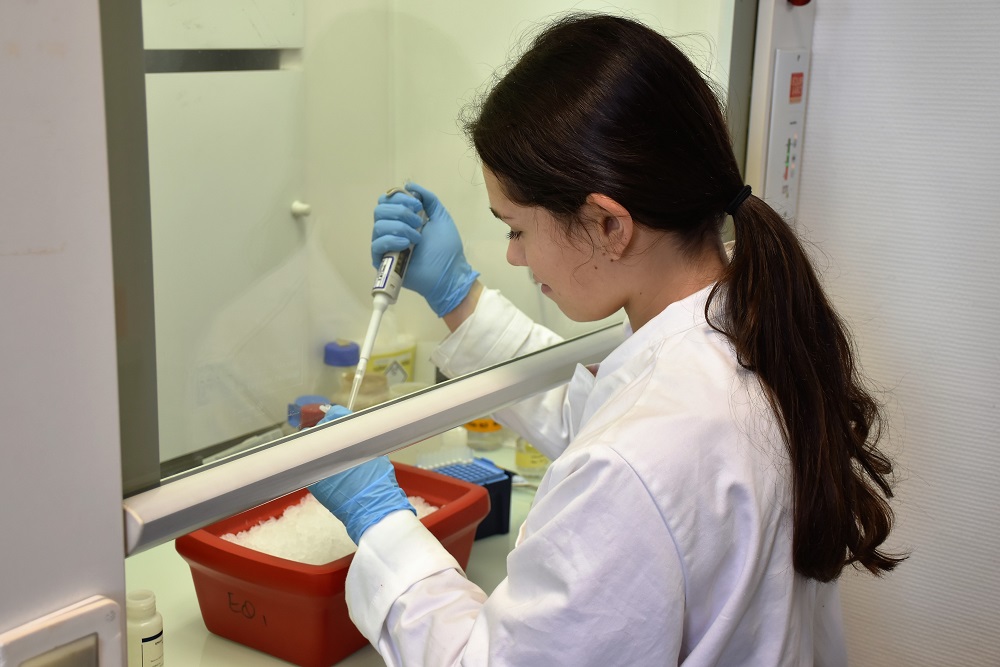
With the CALORR project, we are proposing an innovative strategy using third-generation mRNA sequencing (Long Read RNA-Seq). This would enable a better understanding of the splicing alterations responsible for cardiomyopathies, with a view to subsequently defining a new diagnostic panel using mRNA sequencing that would improve diagnostic yield.
The data obtained will also be used to establish a new, unprecedented reference database listing the different isoforms found in each of the four cardiac compartments of healthy hearts.
Project objectives
- Estimation of the prevalence and incidence of metabolic HCC in the French population of hospitalized patients,
- Phenotyping of metabolic HCCs and evolutionary characterization,
- Identification of subjects with metabolic risk factors who are at risk of developing HCC,
- Determine whether the pathogenic pathways involved in metabolic steatohepatitis also contribute to the onset of HCC.
Patient benefits
- A better understanding of the mechanisms involved in the development of liver cancer associated with metabolic syndrome will enable earlier treatment of patients and the development of prevention policies.
Innovative character
The CARSTEL project aims to improve understanding of the mechanisms involved in liver carcinogenesis associated with metabolic syndrome, its epidemiological reality and clinical presentation, and the assessment of individual risk in subjects with metabolic risk factors (MRFs).
This project concerns a disease with significant epidemiological and medico-economic impact in hepatology (metabolic steatohepatitis) and a cancer that is on the rise and whose prognosis remains poor in the absence of early diagnosis based on individual risk.
This research project, combining clinical and experimental aspects, will enable us to:
- Using national data on hospitalized patients, estimate the current prevalence and incidence of metabolic HCC and identify trends over time in HCC associated with obesity or type 2 diabetes over a 10-year period.
- Create a clinical and biological database to phenotype metabolic HCCs and control groups.
- Describe the characteristics of patients with metabolic HCC compared to patients with HCC of other origins and their prognosis after matching for age, sex, and tumor stage.
Duration of the study
- Inclusion period: 3 years
Overall budget
$1,090,000
Project leaders
Prof. Vlad Ratziu, University Professor, Hospital Practitioner, Hepatology and Gastroenterology Department, Foundation for Innovation in Cardiometabolism and Nutrition (IHU ICAN)
Dr. Manon Allaire, Hepatology and Gastroenterology Department, Pitié Salpêtrière Hospital
Dr. Chantal Desdouets, Sorbonne University Cordeliers Research Center, UMRS INSERM 1138
Dr. Jérémie Gautheron, INSERM UMR_S 938, Sorbonne University, Foundation for Innovation in Cardiometabolism and Nutrition (ICAN)
Dr. Kane Diallo Abou, Medical Information Department, Pitié Salpêtrière Hospital
Support the CARSTEL projectThe CARSTEL project: Hepatic carcinogenesis and metabolic steatopathies: mechanisms, epidemiological significance, clinical phenotyping, and individual risk stratification
The support of our sponsors is essential for the development of this project
Background
- Hepatocellular carcinoma (HCC) is the sixth most common cancer in the world in terms of incidence and the fourth most common in terms of mortality. It occurs in patients with chronic liver disease, most often at the cirrhosis stage.
- The steady increase in the prevalence of obesity and diabetes explains why the incidence of metabolic HCC has increased by 9% annually in the US, making it the fastest-growing indication for liver transplantation.
- HCC can occur in the absence of cirrhosis, and it is also often detected at a later and therefore more advanced stage, which limits the possibilities for curative treatment.
- This is due to a lack of awareness of the carcinogenic potential of this liver disease, the absence of individual risk assessment, and the lack of cost-effective screening policies.
- Given the increase in the incidence of type 2 diabetes and obesity in Western countries, assessing the risk of liver cancer in patients with metabolic syndrome has become a major medical issue.
The CARSTEL project aims to improve understanding of the mechanisms involved in liver carcinogenesis associated with metabolic syndrome, its epidemiological reality and clinical presentation, and the assessment of individual risk in subjects with metabolic risk factors (MRFs).
This project concerns a disease with a significant epidemiological and medico-economic impact in hepatology (metabolic steatohepatitis) and a cancer that is on the rise, with a poor prognosis in the absence of early diagnosis based on individual risk.
Project objectives
- Estimate the prevalence and incidence of metabolic HCC in the French population of hospitalized patients.
- Phenotyping of metabolic HCC and characterization of its progression,
- Identification of subjects with metabolic risk factors who are at risk of developing HCC,
- Determining whether the pathogenic pathways involved in metabolic steatohepatitis also contribute to the onset of HCC.
Patient benefits
- A better understanding of the mechanisms involved in the development of liver cancer associated with metabolic syndrome will enable earlier treatment of patients and the development of prevention policies.
Expected results
This research project, which combines clinical and experimental aspects, will make it possible to:
- Using national data on hospitalized patients, estimate the current prevalence and incidence of metabolic HCC and identify trends over time in HCC associated with obesity or type 2 diabetes over a 10-year period.
- Create a clinical and biological database to phenotype metabolic HCC and control groups.
- Describe the characteristics of patients with metabolic HCC compared to patients with HCC of other origins and their prognosis after matching for age, sex, and tumor stage.
Duration of the study
- Inclusion period: 3 years
Project leaders
- Prof. Vlad Ratziu, University Professor, Hospital Practitioner, Hepatology and Gastroenterology Department, Foundation for Innovation in Cardiometabolism and Nutrition (IHU ICAN)
- Dr. Allaire Manon, Hepatology and Gastroenterology Department, Pitié Salpêtrière Hospital
- Dr. Chantal Desdouets, Sorbonne University Cordeliers Research Center, UMRS INSERM 1138
- Dr. Gautheron Jérémie, INSERM UMR_S 938, Sorbonne University, Foundation for Innovation in Cardiometabolism and Nutrition (ICAN)
- Dr. Kane Diallo Abou, Medical Information Department, Pitié Salpêtrière Hospital
Total budget
€924,039
I would like to make an online donation to support the IHU ICAN