

The CALORR project: Gaining a better understanding of splicing alterations responsible for cardiomyopathies through third-generation sequencing
Background
- Cardiomyopathies are diseases that affect the structure and function of the heart muscle. They most often begin in adolescents or young adults.
- The complications are serious, with an increased risk of sudden cardiac death, as well as severe dysfunction that may eventually require a heart transplant.
- Cardiomyopathies are the leading indication for heart transplantation. They account for more than 70% of transplants in patients under the age of 40.
- Their cause is often genetic: it is therefore important to identify the molecular cause in order to provide appropriate care for the patient and their loved ones. However, the genetic cause is only found in 30 to 50% of cases, depending on the morphotype.
- New approaches must therefore be considered to improve the diagnostic yield of genetic testing, which would be of major benefit to patients and their families.
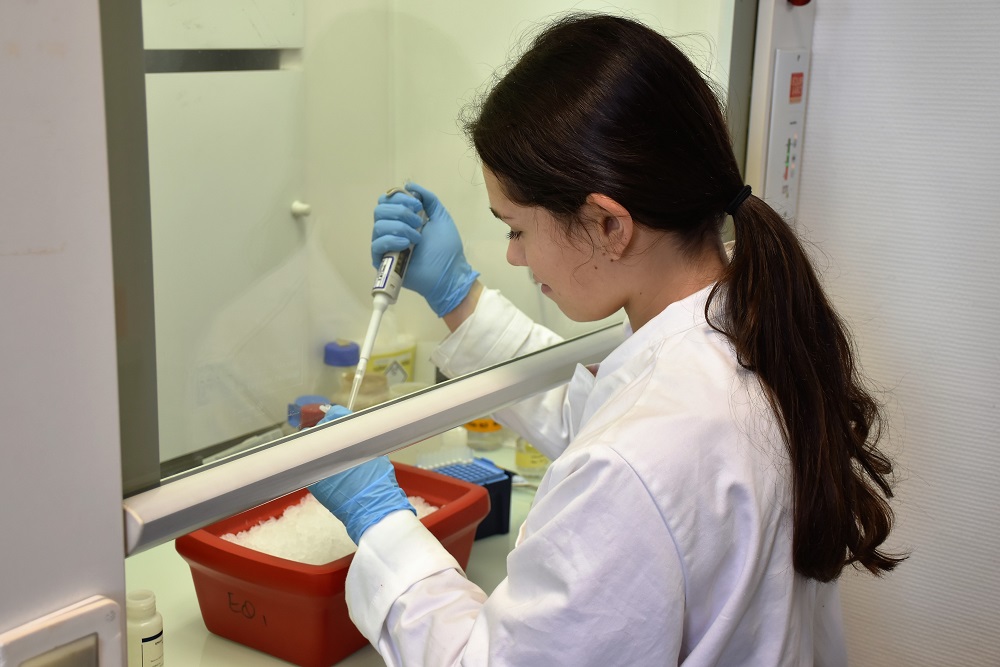
With the CALORR project, we are proposing an innovative strategy using third-generation mRNA sequencing (Long Read RNA-Seq). This would enable a better understanding of the splicing alterations responsible for cardiomyopathies, with a view to subsequently defining a new diagnostic panel using mRNA sequencing that would improve diagnostic yield.
The data obtained will also be used to establish a new, unprecedented reference database listing the different isoforms found in each of the four cardiac compartments of healthy hearts.
Project objectives
- Improving diagnosis in patients with hereditary cardiomyopathies through an innovative approach, thereby enabling better care for patients and their relatives and potentially making them eligible for new treatments: gene-dependent targeted therapy, gene therapy,
- Improve current knowledge of splicing mechanisms by augmenting existing databases in order to improve the performance of splicing prediction algorithms.
Patient benefits
- Improvements in molecular diagnostics,
- Better care for patients and their families,
- Eligibility for emerging treatments (targeted therapies: Omecamtiv Mecarbil/Mavacamten, gene therapies: AOS, etc.).
Innovative character
This project relies on the use of recent technology: third-generation sequencing (“Long Read”). This innovative technology provides access to new data that is not accessible using current sequencing techniques. The transcriptional approach to diagnosis is also a project that is being developed in several other specialties, but remains pending in the field of cardiomyopathies.
To date, no other study has used this technology to sequence such a large collection of human cardiac tissue samples taken from patients with cardiomyopathy or healthy donors, and from each compartment of the heart.
The novelty of the data generated will enable the expansion of numerous existing databases (GTex, SpliceAI, etc.), and analysis of this data will improve our understanding of tissue-specific splicing at the molecular level, which can be applied to clinical diagnosis.
Duration of the study
- 2 years
Overall budget
€80,000
Project leaders
Eric Villard: Researcher at UMR 1166/ICAN, Genomics and Physiopathology of Cardiovascular Diseases team: from monogenic to multifactorial diseases
Prof. Phillipe Charron: Cardiology and vascular diseases – Team Leader 1 UMR 1166/IHU ICAN Genomics and pathophysiology of cardiovascular diseases: from monogenic to multifactorial diseases, head of the Cardiogen department
Laetitia Rialland: PhD student – dual degree in medicine and science