Following a cardiovascular event such as a myocardial infarction or during heart failure, physical exertion becomes more difficult due to impaired cardiovascular function.
To regain your ability to exercise, it is essential to resume physical activity gradually and appropriately as part of a cardiac rehabilitation program, which is an integral part of treatment.
Physical activity, medicine for the heart
Physical activity harmoniously stimulates the entire functioning of the body: the heart and blood vessels, lungs, muscles, but also the metabolism, the autonomic nervous system, and the immune system. In patients suffering from cardiovascular disease, this stimulation is essential for restoring cardiovascular physiology.
In the case of patients hospitalized after a myocardial infarction or episode of heart failure, physical activity is resumed once the patient’s condition has been stabilized by treatment of the acute episode. The medical team recommends resuming physical activity as soon as possible in order to meet the needs of patients who wish to return to a normal life.
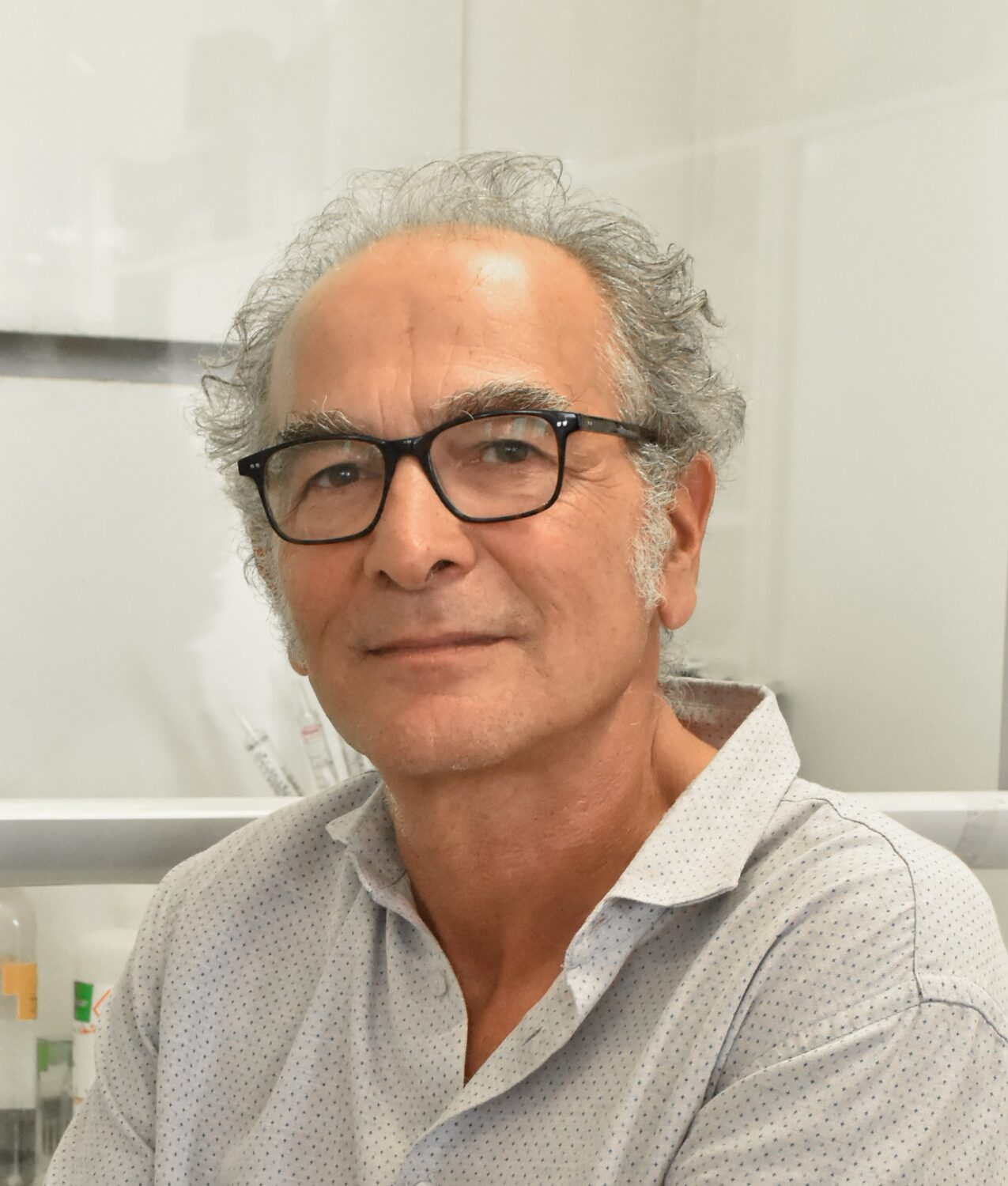
“After an acute episode of heart disease, patients are vulnerable. They are worried: when the heart is not working as well, you feel tired and think you are less able to do physical activity. Patients need to be reassured by explaining to them that resuming physical activity is part of the treatment to help the heart return to normal physiology.“
Prof. Stéphane Hatem – Cardiologist (AP-HP) and Director of the ICAN IHU
A personalized physical activity recovery program
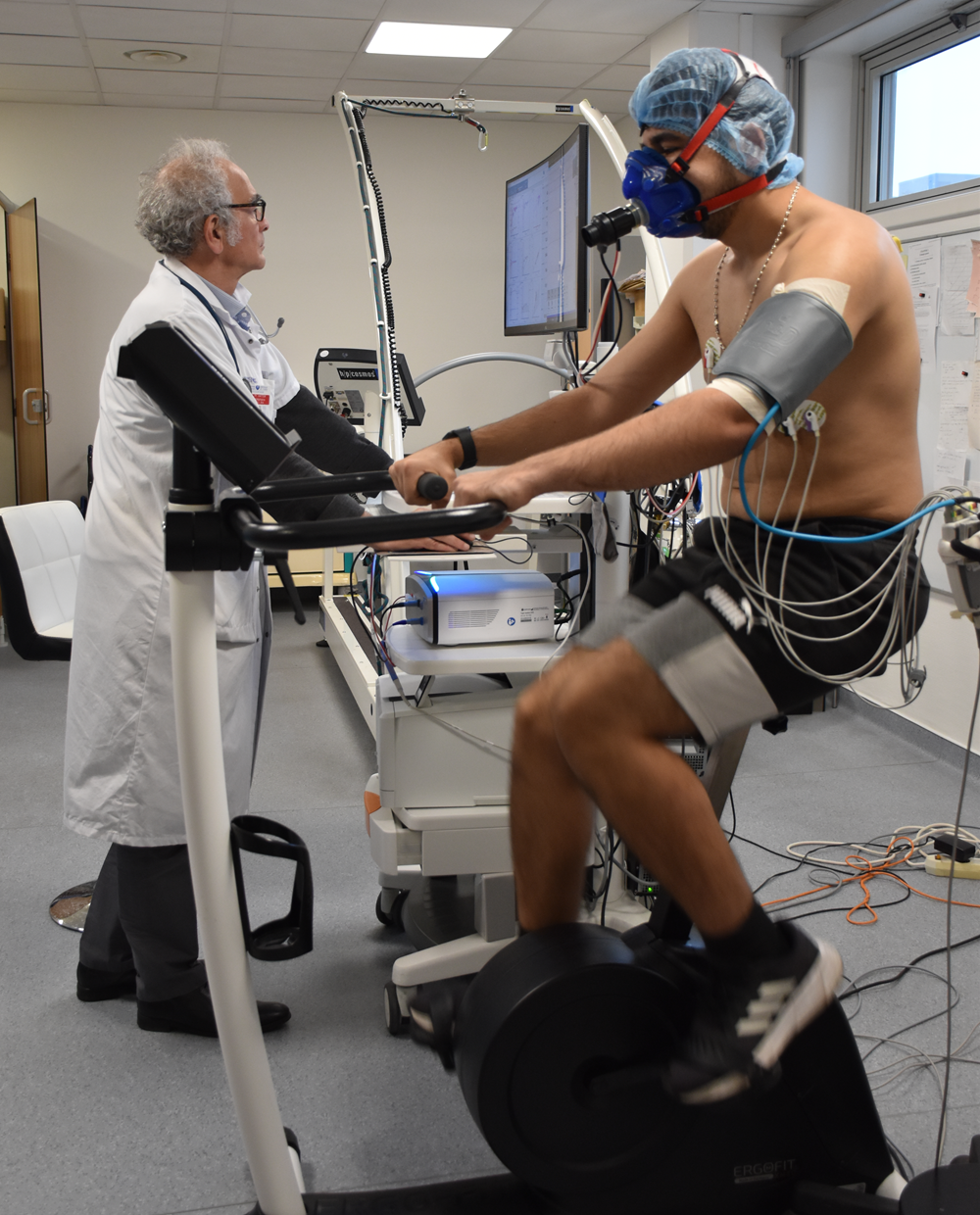
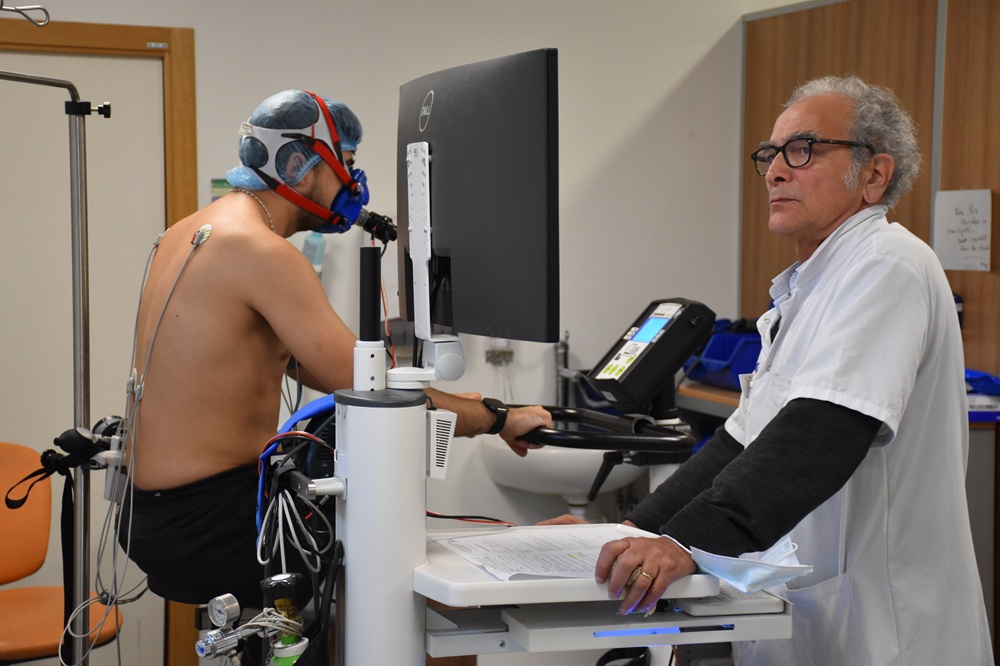
The physical activity recovery program consists of regularly performing physical activities adapted to each individual’s physiology and condition. It is carried out in a medical environment in order to monitor the patient’s health and avoid any complications or side effects.
It helps answer several questions:
- What is the patient’s maximum capacity?
- What is the training threshold, or first ventilatory threshold, which indicates the boundary between moderate and intense exercise?
- How does his lung adapt to physical exercise?
- What is his muscle mass?
- When and how should you train? What levels of exercise, load, and heart rate should you aim for?
This information will be compared with other data from the medical assessment (biological data, cardiac imaging, etc.).
Following this assessment, a muscle strengthening program tailored to each individual is put in place. It generally lasts a few weeks and is supervised by a medical team. Patients learn exercises suited to their health condition and how to assess the impact of physical activity on their physiology.
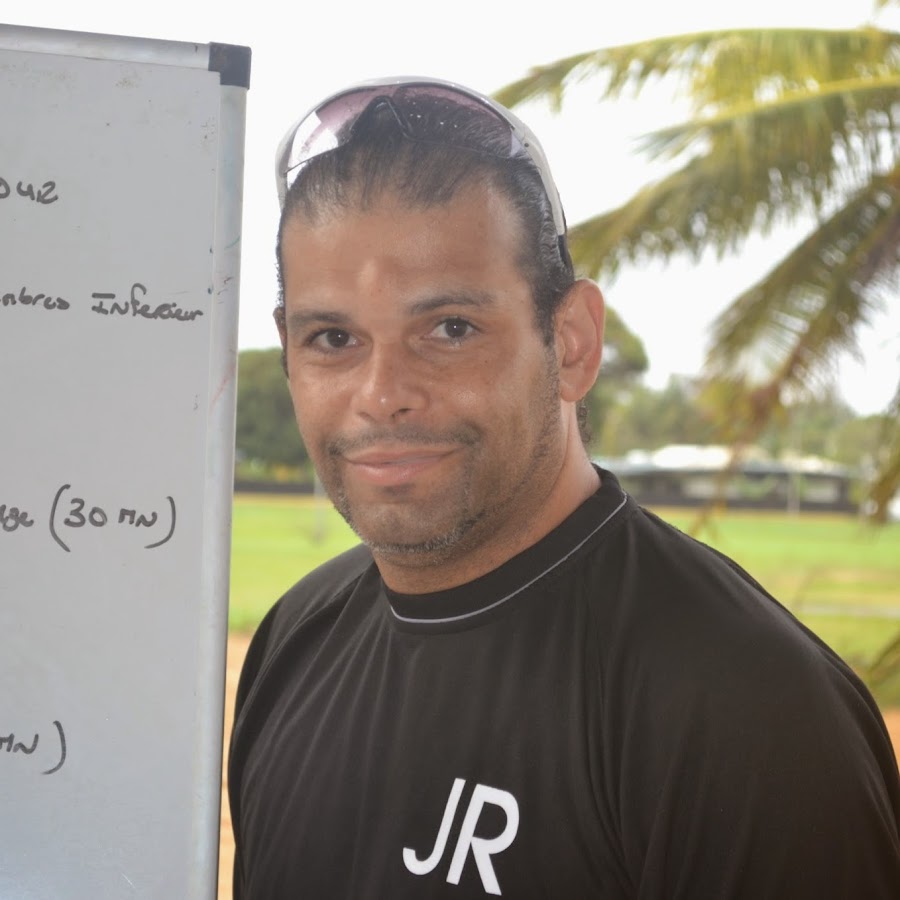
“Following a heart attack that led to a heart transplant, cardiac rehabilitation provided me with the care I needed to resume my daily life and refocus on my social, personal, and intimate life. I received excellent support from all the medical staff, who really helped me with my personal physical activity plan: as I was originally very athletic, I replaced triathlons and long-distance running with gentle gym workouts, stretching, yoga, walking, and swimming. Thanks to this, I have regained a virtually normal life and can look to the future with greater peace of mind.
Jean-Robert Darlis, heart transplant patient and President of Cardio Greffes Ile de France
Physical activity to prevent cardiometabolic diseases
Physical activity is also an important way to prevent cardiovascular disease, particularly by acting on metabolic factors, excess weight, sugar intolerance, and blood pressure levels.
The research teams at IHU ICAN are also structuring research projects to use artificial intelligence to build algorithms that can define new, more accurate indicators of each individual’s adaptation to exercise and its impact, based on their pathology and physiology.
Focus on the Cavalcade-MOOV project
Led by Professor Stéphane Hatem (IHU ICAN / AP-HP), the CAVALCADE-MOOV project aims to develop personalized e-health support tools that are effective in improving adherence to adapted physical activity (APA) among patients suffering from chronic heart failure (CHF).
The project will take place in Paris and the Caribbean, in conjunction with the Cardiology Institute at Pitié-Salpêtrière Hospital and in collaboration with the Cardio-greffes Ile-de-France patient association, the start-up SANO-MOOV, INSEP, and Université Des Patients.
This project needs the support of sponsors and donors to accelerate its development. Join the project!