
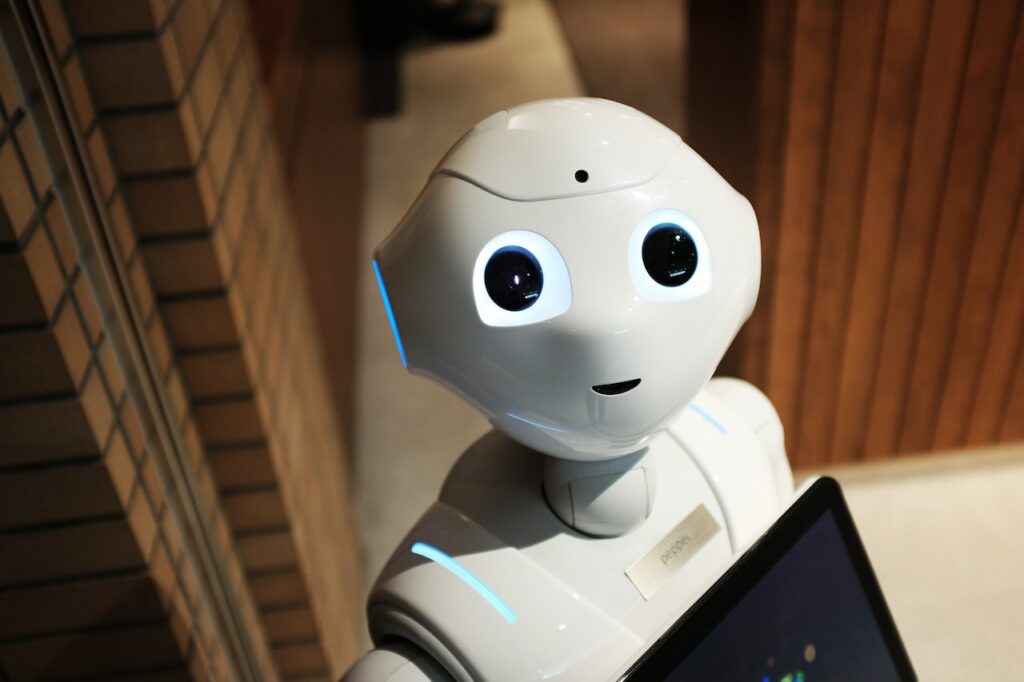
Led by Prof. Richard Isnard, Dr Françoise Pousset and Dr Lise Legrand, the ROB’EDUC project aims to set up a therapeutic education program for patients hospitalized for an acute episode of heart failure (HF), using artificial intelligence via a humanoid robot.
To carry out this project, IHU ICAN obtained institutional support from AstraZeneca, in order to develop the design of the robot/patient interface and create educational content for patients.
Learn more about this ambitious project below!
Therapeutic education: the key to treating heart failure?

Like all chronic diseases, heart failure requires treatment follow-up throughout the patient’s life.
Despite progress in management, 1 in 2 patients dies within 5 years after diagnosis.
It is therefore essential to properly support the patient and their relatives through therapeutic education, which plays a major role in care:
- Better adherence to treatment,
- Fewer hospitalizations,
- Better quality of life.
A few reminders about heart failure (HF)
- A person has heart failure when their heart has difficulty pumping enough blood to oxygenate all organs.
- 1.5 million people are affected in France, mainly people over 75 but not only,
- Each year, 120,000 new cases are diagnosed, 200,000 hospitalizations and 70,000 deaths are due to HF,
- Possible causes: myocardial infarction, high blood pressure, diabetes, rhythm disorders such as atrial fibrillation, heart muscle diseases (cardiomyopathies) often of genetic origin, and cardiotoxicity of certain drugs…
- Symptoms: unusual shortness of breath on exertion, weight gain, edema, fatigue…
Delivering therapeutic education: a challenge for medical teams
Since 2006, physicians in the Cardiology Department at Pitié-Salpêtrière Hospital have set up a therapeutic education program (TEP) for heart failure after hospital discharge, which includes several group workshops.
Unfortunately, fewer than 50% of patients hospitalized in the hospital’s cardiology department can benefit from this program, on the one hand due to a lack of physician and nursing staff time trained to deliver it, and on the other hand due to insufficient patient engagement to attend the workshops.
This is why, for many years, we have wanted to start therapeutic education during hospitalization for cardiac decompensation, to raise patients’ awareness of the importance of adopting new habits, to improve follow-up and avoid rehospitalization.

Indeed, 50% of patients are rehospitalized 6 months after discharge. It is crucial to reduce this figure.
Moreover, in a context where telemedicine is developing more and more, therapeutic education programs are still delivered in a traditional way in the form of workshops and paper brochures.
For several years, the cardiology department has been at the forefront of implementing remote monitoring, but the teams want to go further in its use to support patients even better.
The ROB’EDUC project: artificial intelligence in the service of therapeutic education
To address this issue, IHU ICAN is currently developing the ROB’EDUC project as part of the broader UTHopIA project.
The UTHopIA project aims to use a humanoid robot to support medical teams in delivering the Therapeutic Education Program (TEP) to patients hospitalized for an acute heart failure episode.
After the patient has been clinically stabilized, the robot will be able to start the TEP individually directly in the hospitalized patient’s room. It will have to interact with the patient by voice and via an interactive screen (tablet).
After the patient is discharged, interaction with artificial intelligence can continue thanks to a mobile application that will use the same interface, with which the patient will already be familiar. This app will store the specific interaction that took place with each patient in order to personalize follow-up.
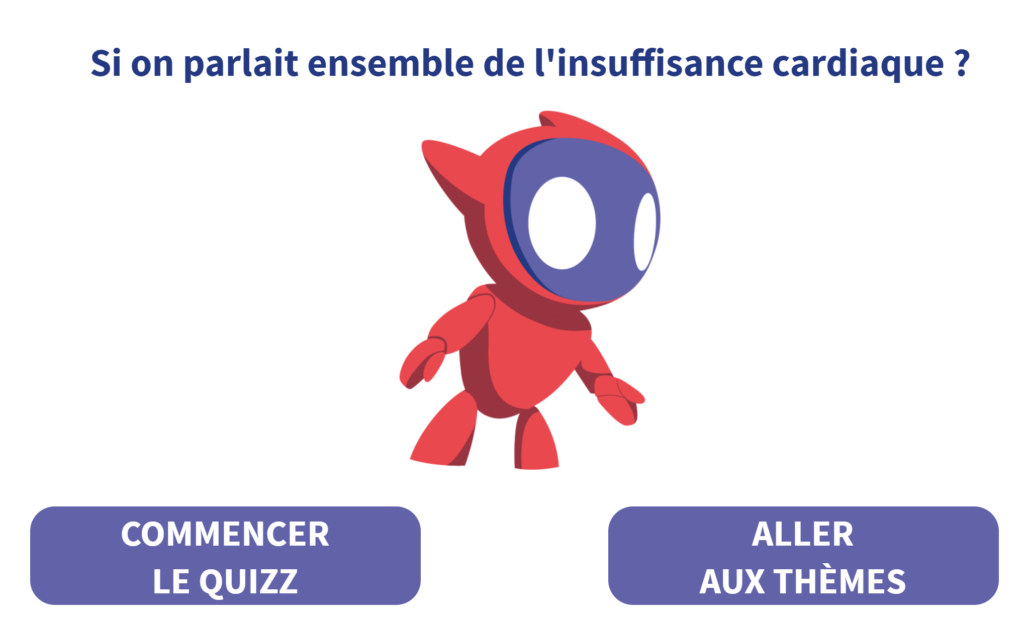
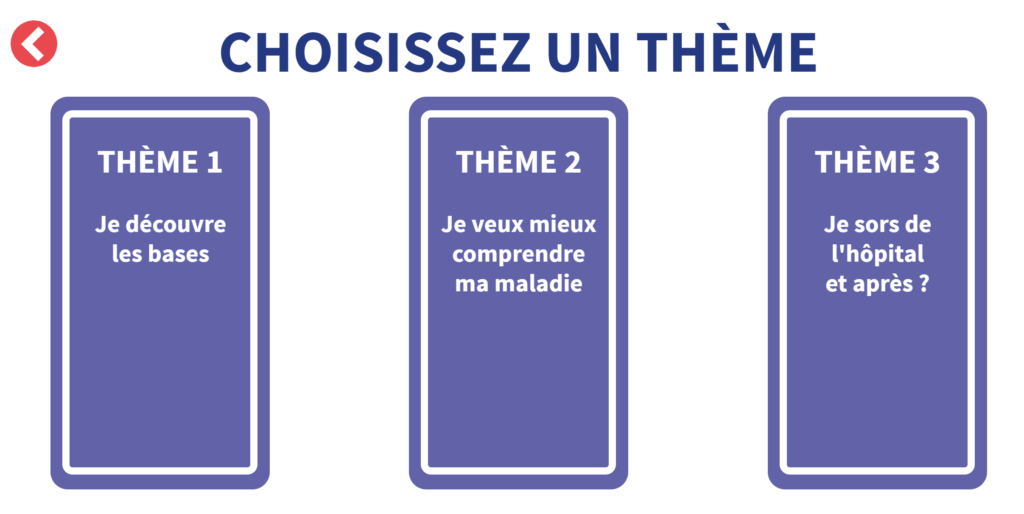
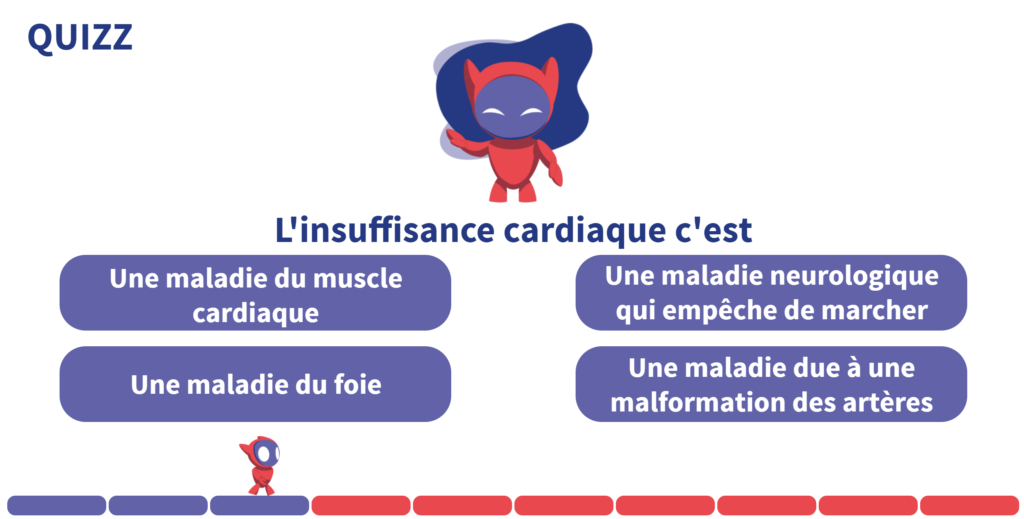
The ROB’EDUC project seeks to provide proof of concept of the effectiveness of using digital tools, robotics, and artificial intelligence (AI) to encourage better patient adherence to therapeutic education programs.
What are the objectives of ROB’EDUC?
The ROB’EDUC project focuses on digitizing therapeutic education content, integrating the elements into the robot’s system, professionalizing the user interaction, and developing design and navigation comfort.
The 3 objectives of the TEP that we want to achieve with the help of artificial intelligence and a humanoid robot are:
- Help patients recognize warning signs of decompensation that should lead them to seek medical advice.
- Introduce patients to a low-salt diet and its importance.
- Teach patients to recognize the need for medical treatment and the importance of adherence.
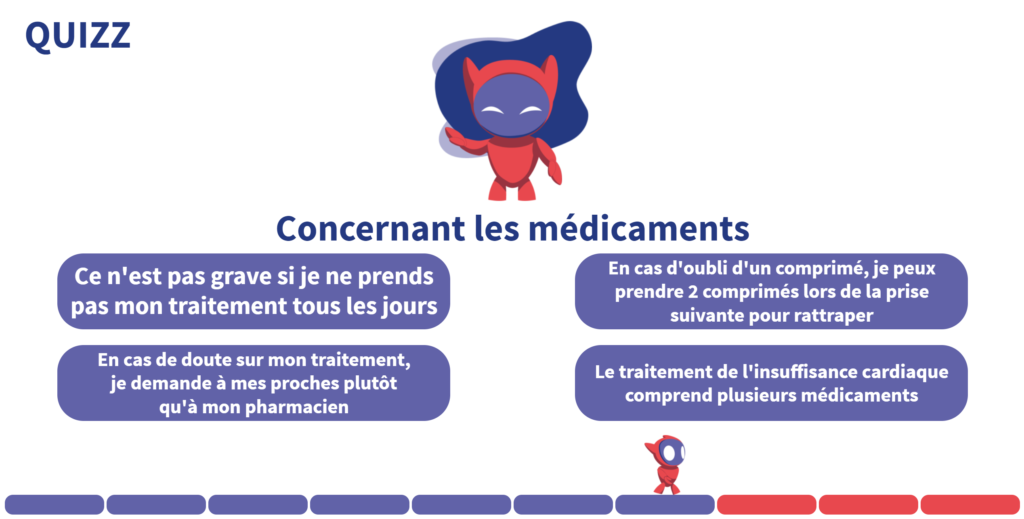
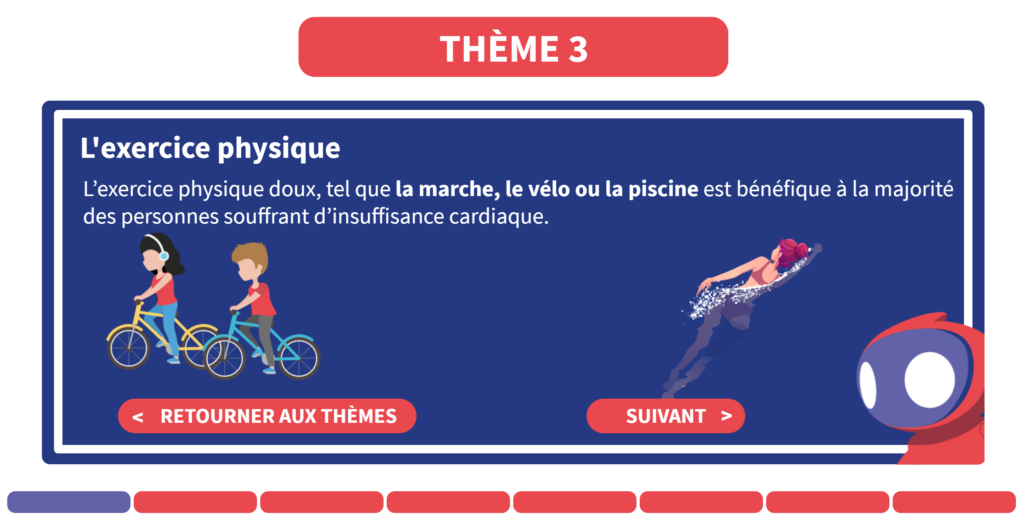
This robot will make it possible to answer the most common and most useful questions to prevent relapse.
This approach will spark the patient’s interest, and it could also have a ripple effect on the healthcare staff to relay the key messages.
Stakeholders involved in the ROB’Educ project
- Dr Françoise Pousset, Cardiologist – Hospital Practitioner, Head of consultation and non-invasive unit, Institute of Cardiology / IHU-ICAN
- Prof. Richard Isnard, University Professor – Hospital Practitioner, Head of the Medical-University Department (DMU) ARCHIMEDE (cardiometabolism), Institute of Cardiology / IHU-ICAN
- Dr Lise Legrand, Cardiologist – Hospital Practitioner, Institute of Cardiology
- With institutional support from AstraZeneca
This project also benefited from the support of IHU ICAN staff members and their relatives as part of the Course des héros 2022.